 how-to
Integrating Amino Acid Biostimulants: A Grower's Guide
Table of Contents
- Why Amino Acid Biostimulants Matter in Modern Crop Management
- When to Apply Amino Acid Biostimulants for Maximum Effect
- Foliar Application of Amino Acid Biostimulants: Timing and Technique
- Amino Acid Biostimulants and Fertiliser Compatibility
- Measuring Crop Response to Amino Acid Biostimulants
- Common Mistakes When Integrating Amino Acid Biostimulants
- Getting Started: Your First Season with Amino Acid Biostimulants
- Frequently Asked Questions
Last Updated: October 14, 2026
Why Amino Acid Biostimulants Matter in Modern Crop Management
Integrating amino acid biostimulants into crop management programmes represents a shift in how growers approach plant nutrition and stress resilience. Amino acid biostimulants do more than supplement traditional fertilisers, they enhance how plants use the nutrients already available to them.
Plants need amino acids to build proteins, synthesise enzymes, and mount defences against environmental stress. When you add amino acid biostimulants to your programme, you're giving crops the building blocks they need to develop stronger roots, healthier foliage, and more resilient flowering and fruiting stages.
The real value emerges when stress hits. Cold snaps, heat waves, drought, or even tank-mix interactions with fungicides and insecticides can slow growth or damage yield potential. Crops treated with amino acid biostimulants show markedly better recovery. They maintain green leaf area longer, initiate bud development more reliably, and push through to harvest with less loss.
This isn't theoretical. Velcourt trials found that adding AminoA FLO to reduced fungicide rates maintained yields and improved green leaf area in winter wheat, a result that matters when margins tighten. Growers managing 200 hectares of cereal or running high-value horticultural crops can see the difference. The investment in amino acid biostimulants can pay for itself through improved crop quality and reduced reliance on heavier chemical inputs.
When to Apply Amino Acid Biostimulants for Maximum Effect
Timing is everything with amino acid biostimulants. Apply them at the wrong growth stage and you'll see modest results. Apply them when plants are most receptive, and the response is measurable.
The best windows depend on your crop and your goals. For cereals, apply amino acid biostimulants at tillering, stem extension, and booting stages. These moments mark rapid cell division and nutrient demand, exactly when amino acids make the biggest difference. For horticultural crops like strawberries or tomatoes, apply at flowering and early fruit set to support blossom development and reduce fruit drop under stress.
Spring applications work well when growth accelerates after winter dormancy. Summer applications help crops handle heat and drought stress. Autumn applications in perennial crops prepare plants for winter hardship.
The key signal is active growth. Watch your crop. When leaves are expanding rapidly, when flower buds are forming, or when the plant is visibly pushing new tissue, that's your window. Missing the window doesn't ruin your season, but hitting it consistently compounds results across the year.
Foliar Application of Amino Acid Biostimulants: Timing and Technique
Foliar application of amino acid biostimulants is the most common delivery method because it's fast-acting and efficient. Leaves absorb amino acids quickly, delivering them straight to growing tissues without waiting for root uptake.
Early morning or late evening spraying works best. Morning applications catch plants when stomata are open and uptake is rapid. Evening applications allow overnight absorption without heat stress slowing the process. Avoid midday spraying when high temperatures and open stomata increase water loss and reduce retention on the leaf surface.
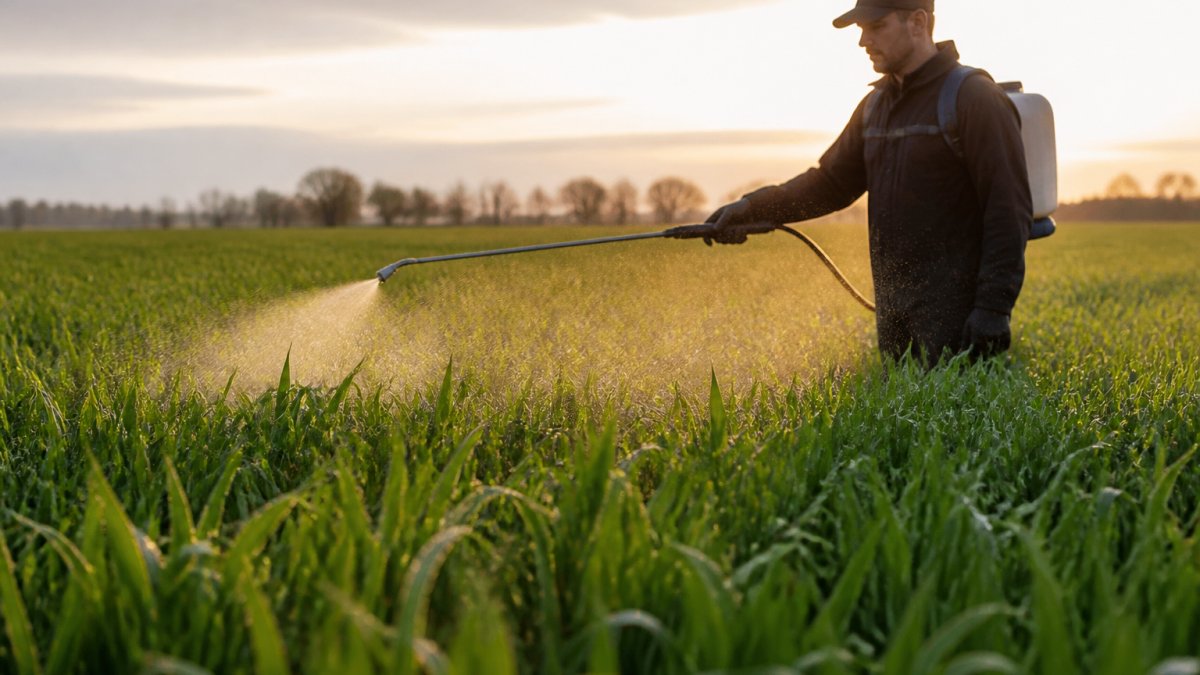
Water volume matters more than you'd think. Use enough water to wet leaves thoroughly but not so much that product runs off. For cereals, 200-400 litres per hectare works well. For higher-canopy crops like orchards or high-value horticulture, increase volume to ensure coverage of upper leaves and developing fruit.
Spray pressure should be moderate, around 2-3 bar. High pressure breaks droplets into mist that drifts away. Low pressure leaves droplets too large to adhere properly. Nozzle selection matters too. Flat-fan nozzles give good coverage; air-induction nozzles reduce drift without sacrificing deposition.
Check weather forecasts before spraying. Rain within 4 hours of application can wash product off before it's absorbed. Wait for settled conditions, ideally 48 hours of dry weather after application.
Amino Acid Biostimulants and Fertiliser Compatibility
The question every grower asks: will amino acid biostimulants work with my existing fertiliser programme? The answer is yes, but you need to understand the chemistry.
Amino acid biostimulants mix safely with most NPK fertilisers, foliar micronutrients, and fungicides. They're compatible with standard phosphite products used for disease management. However, some combinations need attention.
Strong alkaline or acidic tank mixes can alter amino acid structure, reducing effectiveness. If you're mixing amino acid biostimulants with highly acidic adjuvants or alkaline fungicides, test the tank mix pH first. Aim for pH 5.5-7.5 for best stability.
Copper and sulphur fungicides work well with amino acid biostimulants. Strobilurin fungicides are compatible. Neonicotinoid insecticides don't interfere. The risk comes from older products with harsh chemistry or from mixing too many inputs in one tank. When in doubt, run a small test batch before committing to a full-field application.
Always add amino acid biostimulants to the tank last, after water and other inputs are mixed. This prevents concentration gradients that can reduce uptake efficiency.
Measuring Crop Response to Amino Acid Biostimulants
How do you know if amino acid biostimulants are working? You need to measure. Guessing leads to poor decisions.
Start with visual observation. Treated crops should show darker green colour, more vigorous leaf expansion, and denser bud development compared to untreated areas. Take photos at each application stage, the visual record builds a clear picture over the season.
Count tillers in cereals. Treated plots should produce more tillers per plant and maintain them longer into the season. Measure green leaf area at key growth stages using simple visual scoring or smartphone apps designed for crop assessment. Treated crops retain green leaves longer under stress. This prolonged photosynthetic activity relies on the underlying plant-based peptides science that governs how amino acids regulate nitrogen metabolism and cellular resilience during critical developmental windows.
For horticultural crops, track flowering intensity and fruit set. Count flower buds and developing fruit on representative plants in treated and untreated areas. Measure fruit size and quality at harvest. Higher bud count and larger, higher-quality fruit are clear signals that amino acid biostimulants are working.
Yield is the ultimate measure, but it comes last. Keep detailed harvest records by field section or plot. Weigh grain or fruit from treated and untreated areas separately. Calculate the yield difference and compare it to the cost of amino acid biostimulants. That calculation determines your ROI.
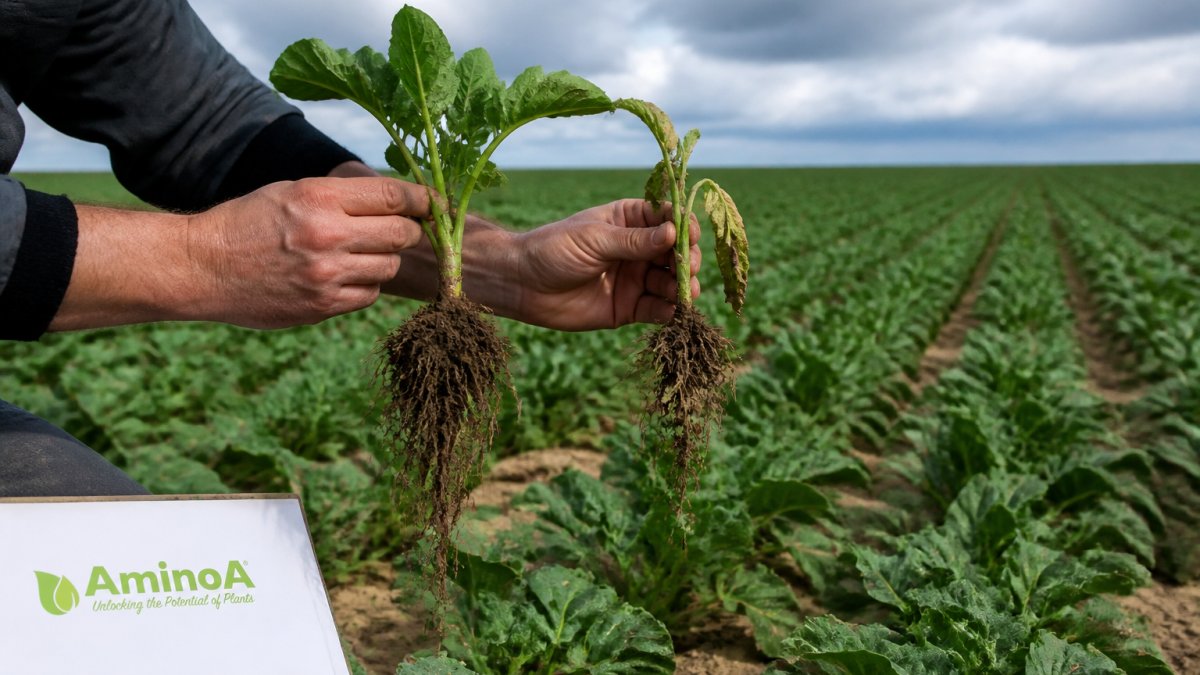
Treated crops develop stronger root systems, which means better soil structure over time and improved water infiltration.
Common Mistakes When Integrating Amino Acid Biostimulants
Most growers make predictable mistakes when starting with amino acid biostimulants. Learning from them saves money and frustration.
Applying too late in the season. Amino acid biostimulants work best during active growth. Applying them after flowering or fruit set, when the crop is already committed to its developmental path, delivers minimal benefit. Plan applications early.
Using insufficient water volume. Skimping on water to save money backfires. Product doesn't reach all leaves, uptake is patchy, and results disappoint. Use adequate volume.
Ignoring tank-mix chemistry. Mixing amino acid biostimulants with incompatible products wastes money. The product breaks down or becomes unavailable to the plant. Read labels and test unfamiliar combinations.
Expecting amino acid biostimulants to replace sound crop management. They enhance existing programmes; they don't fix poor soil, inadequate nutrition, or pest pressure. Use them alongside good agronomic practice, not instead of it.
Applying in unsuitable weather. Rain, extreme heat, or wind within hours of spraying reduces uptake. Poor timing wastes product and money. Check forecasts and spray only in settled conditions.
Underestimating the importance of crop stage. Applying at the wrong growth stage means missing the window when plants are most responsive. Learn your crop's critical stages and hit them consistently.
Getting Started: Your First Season with Amino Acid Biostimulants
Your first year with amino acid biostimulants should be a learning season, not a full-scale commitment. Start small, observe carefully, and scale up once you understand how the product performs on your farm.
Choose one field or one crop variety. Apply amino acid biostimulants at the recommended rate during the most critical growth stage for that crop. Leave an untreated control area, at least 0.25 hectares, so you can directly compare results.
Keep records from day one. Write down application date, crop stage, weather conditions, and any observations. Take photos at each growth stage. This data becomes your evidence base for future decisions.
Talk to your agronomist or consultant. They know your soil, your climate, and your crop history. They can help you time applications correctly and integrate amino acid biostimulants into your existing spray programme without creating compatibility problems.
Monitor closely through the season. Watch for visual differences in colour, leaf size, and bud development. Note how the treated area responds to stress compared to untreated areas. This real-world feedback is worth more than any brochure.
At harvest, weigh the treated and untreated areas separately if possible. Calculate whether the yield increase covers the cost of amino acid biostimulants. Be honest about the result. If it works, scale up next year. If results are marginal, adjust timing or rate and try again.
Integrating amino acid biostimulants into crop management programmes can become easier and more profitable after the first season. You can learn your crop's response pattern, refine timing, and discover which growth stages deliver the best return.
Getting amino acid biostimulants right takes observation and adjustment. Most growers see measurable improvements in crop resilience and quality within one season. AminoA's 100% L-α amino acids are designed to work seamlessly into your existing programme, delivering increased root development, enhanced stress resistance, and ultimately higher yields and better quality. Start with one field, keep detailed records, and let your own results guide your decisions. Subscribe to our newsletter for seasonal application guides and grower insights tailored to your region.
Frequently Asked Questions
Can amino acid biostimulants be mixed with fungicides and insecticides without causing phytotoxicity?
Amino acid biostimulants are compatible with most crop protection products when mixed correctly. However, always conduct a small tank-mix trial before full-scale application. Check product labels for any specific incompatibilities, and avoid mixing during extreme heat or with certain sulphur-based products. If you experienced phytotoxicity previously, test the combination on a small area first to confirm compatibility with your current spray programme.
How quickly will I see yield improvements after applying amino acid biostimulants?
Results depend on crop type, growing conditions, and application timing. Root development improvements typically appear within 2-3 weeks of soil application. Stress resistance benefits and yield gains become measurable over a full growing season. Early indicators include improved leaf colour, enhanced bud development, and better recovery from weather stress. Velcourt trials with winter wheat showed maintained yields and improved green leaf area when amino acids complemented reduced fungicide rates, suggesting benefits emerge gradually rather than dramatically.
Are amino acid biostimulants approved for organic farming systems?
Many amino acid biostimulants derived from natural sources and produced through enzymatic hydrolysis comply with organic certification standards. However, approval varies by certifying body and product formulation. Verify that your chosen product holds certification from your scheme (such as Soil Association or IFOAM-accredited certifiers). Contact your certifier before purchase to confirm the specific product meets your organic standards, and request documentation of the production process and any certifications held.
What's the difference between amino acid biostimulants and standard NPK fertiliser programmes?
Standard NPK programmes supply nitrogen, phosphorus, and potassium in bulk quantities for growth. Amino acid biostimulants work differently: they contain all essential amino acids in L-form, which plants absorb more efficiently and use to regulate stress responses, improve nutrient uptake, and enhance root development. Rather than replacing NPK, amino acids complement it by helping plants use existing nutrients more effectively and build resilience to environmental stress. This allows some growers to reduce overall agrochemical inputs whilst maintaining or improving yields.