 how-to
Identify Crop Stress Symptoms Early: A Farmer's Guide
Table of Contents
- Why Early Detection of Crop Stress Matters
- Visual Symptoms of Crop Stress: What to Look For
- Drought Stress Symptoms in Crops: Recognition and Response
- How to Diagnose Crop Problems: Distinguishing Stress Types
- Crop Monitoring Sensors and Tools for Early Detection
- Establishing a Regular Monitoring Schedule
- Taking Action After Identifying Crop Stress
- Frequently Asked Questions
Last Updated: October 12, 2026
Why Early Detection of Crop Stress Matters
The ability to identify crop stress symptoms early is the difference between a salvageable season and a lost harvest. When plants show signs of struggle, most farmers have a narrow window to respond effectively. The problem is recognising those signals before damage becomes irreversible.
Stress in crops doesn't announce itself loudly. It starts small, a subtle shift in leaf colour, a slight slowdown in growth, a change in how plants respond to water. By the time symptoms become obvious, the plant has already diverted energy away from yield and quality. Early intervention, however, can redirect that energy back to production.
This is where systematic monitoring becomes your most valuable tool. Farmers who catch stress symptoms early typically recover potential yield. Those who wait until visible damage spreads across a field face losses that no amount of later intervention can fully reverse.
The farmers who thrive are the ones who walk their fields regularly, know what normal looks like for their crops, and act decisively when they spot deviation. That's not guesswork, it's disciplined observation combined with targeted intervention.
Visual Symptoms of Crop Stress: What to Look For
Learning to identify crop stress symptoms visually is your first line of defence. Most crop stress announces itself through changes in leaf appearance, growth rate, or flowering patterns. Learning to read these signals transforms you from a reactive manager into a proactive one.
Leaf discolouration and wilting
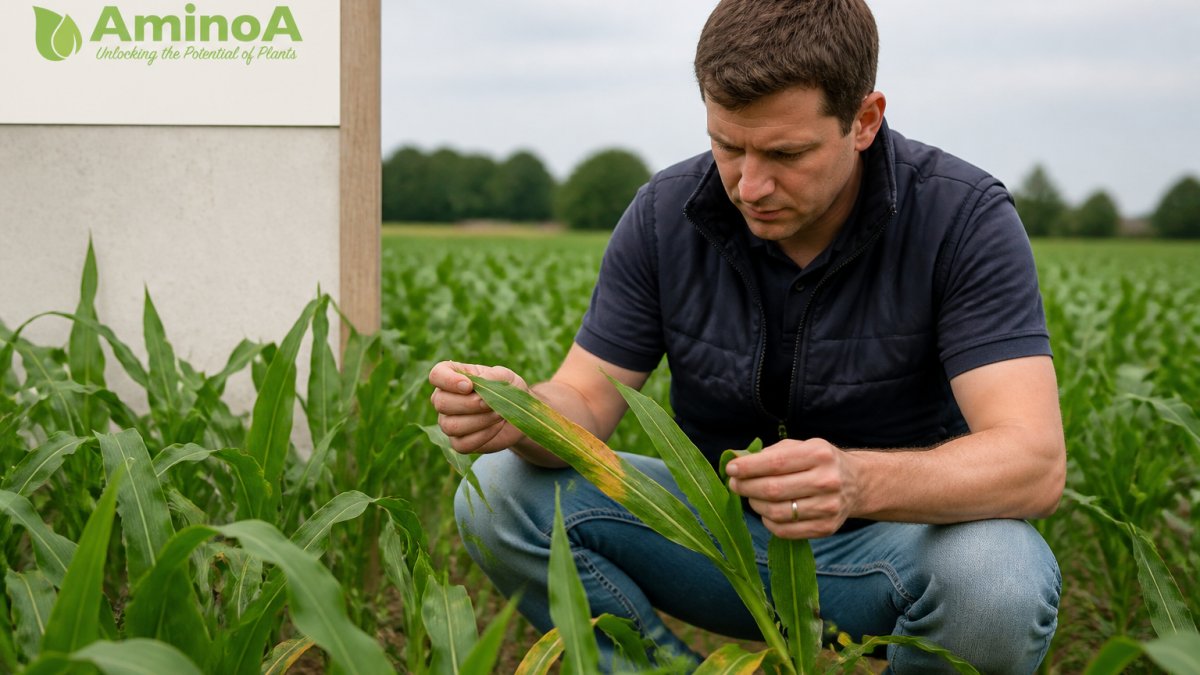
Leaf colour tells you almost everything about crop health. Yellowing, purpling, or browning at leaf edges are stress responses. The plant is pulling nutrients inward or shutting down non-essential functions.
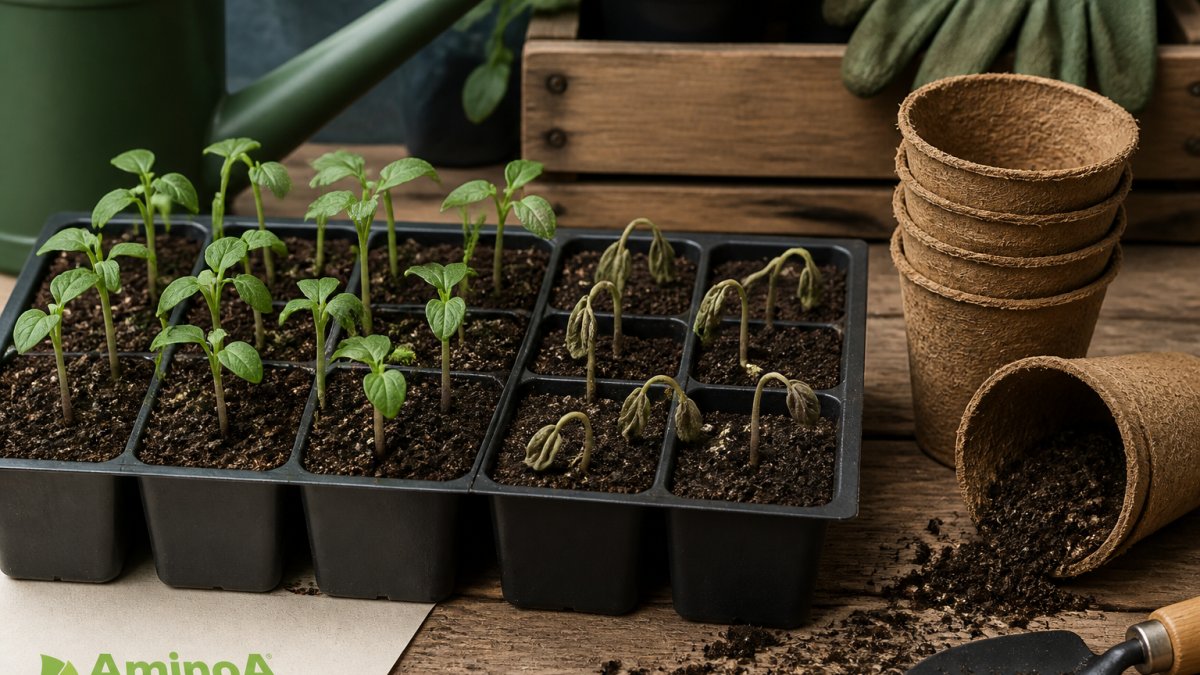
Wilting happens when plants cannot maintain turgor pressure, the water pressure that keeps leaves firm and upright. Early-stage wilting is reversible. Advanced wilting, where leaves stay drooped even after watering, signals serious stress.
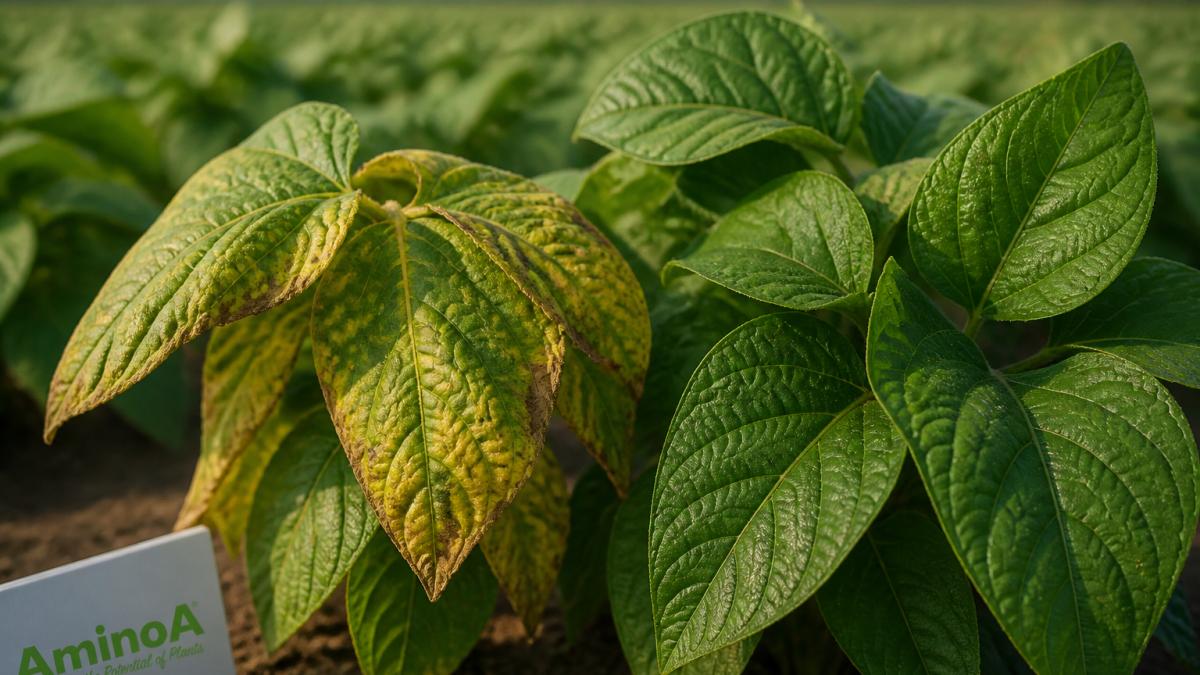
Common discolouration patterns:
- Yellowing between leaf veins (often nutrient deficiency)
- Purple or reddish tones (phosphorus stress or cold damage)
- Brown or necrotic patches (tissue death from heat, drought, or chemical burn)
- Uniform pale colour (nitrogen deficiency or waterlogging)
Act quickly when you see these. Discolouration spreads fast once it starts. Early treatment prevents progression to full leaf death.
Stunted growth and poor root development
Stunted growth is deceptive. A plant that looks "a bit behind" is often severely compromised below ground. Root stress precedes visible shoot stress by weeks.
Poor root development means the plant cannot access water or nutrients efficiently. Above ground, this shows as:
- Slower leaf expansion
- Reduced plant height relative to neighbouring plants
- Delayed flowering or bud formation
- Smaller leaf size than normal for the variety
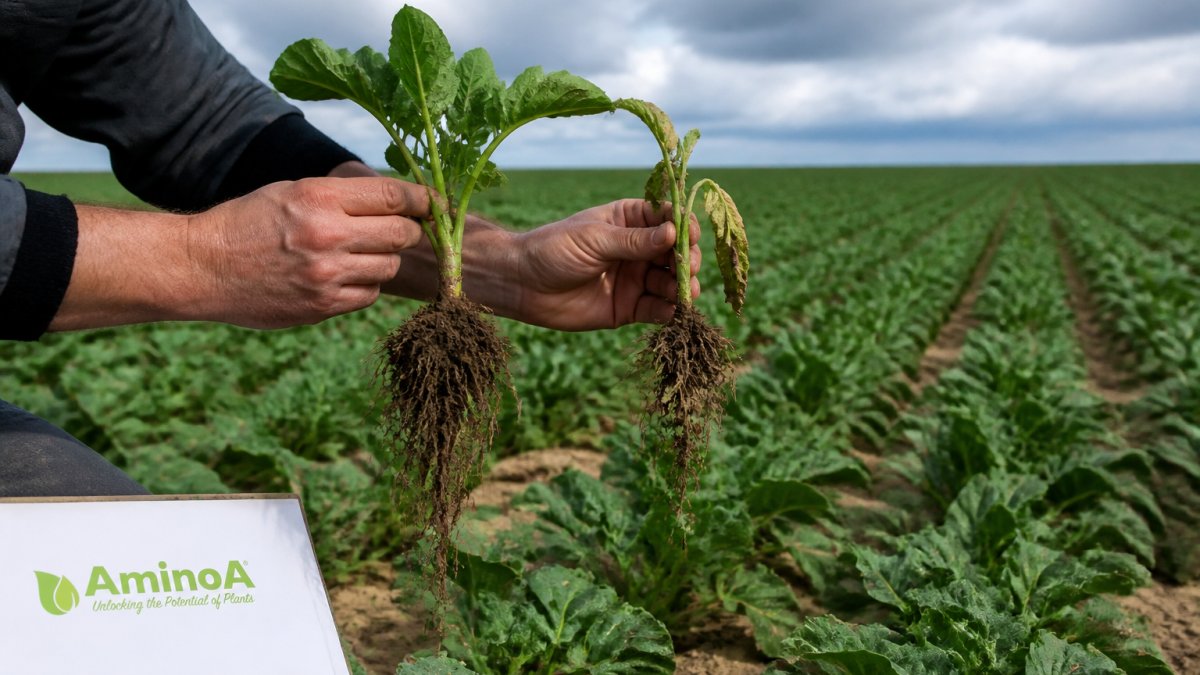
Dig up a plant showing these signs and inspect the roots. Healthy roots are white or light tan, firm, and numerous. Stressed roots are brown, mushy, or sparse. If roots look weak, the plant is already struggling to recover.
Abnormal flowering and fruit set
Flowering disruption is a clear stress indicator. Stressed plants delay flowering, produce fewer flowers, or abort fruit set entirely. This is the plant's survival mechanism, it shuts down reproduction to conserve energy.
Watch for:
- Delayed flowering (flowering occurs later than the variety's typical date)
- Reduced flower number per plant
- High flower drop before fruit develops
- Misshapen or undersized fruit
- Uneven ripening across the crop
These symptoms are harder to reverse than leaf discolouration. Once a plant has diverted resources away from flowering, recovery takes weeks. Prevention through early stress detection is far more effective than correction.
Drought Stress Symptoms in Crops: Recognition and Response
Drought stress is a common environmental stress affecting crops. Even in years with adequate rainfall, localised dry spells or poor water distribution in soil can trigger drought responses.
Early drought stress appears as mild wilting that recovers overnight, the plant is conserving water during the day but rehydrating when temperatures drop. This is reversible. Persistent wilting, where plants remain drooped even after cool nights, signals advanced drought stress.
Recognise these drought indicators early:
- Leaf rolling or cupping (leaves fold to reduce surface area)
- Waxy coating on leaves (the plant seals itself against water loss)
- Reduced leaf size on new growth
- Earlier-than-normal senescence (leaves age and die prematurely)
- Stunted stem elongation
Soil moisture is the root cause. A simple soil moisture check, digging 15 centimetres down and squeezing soil in your hand, tells you whether water is available. If soil crumbles dry, drought stress is likely. If it forms a ball, water is present but may not be moving to roots (often a compaction or root disease issue).
Response to drought stress depends on crop type and growth stage. Early-season stress during establishment is critical to address. Late-season stress during grain fill or fruit development is equally damaging but harder to reverse. Irrigation, mulching, or foliar applications of biostimulants can help plants recover water uptake efficiency. Precision in managing agricultural irrigation remains the most effective strategy for maintaining soil moisture levels throughout these vulnerable developmental windows.
How to Diagnose Crop Problems: Distinguishing Stress Types
Accurate diagnosis prevents wasted intervention. A yellowing leaf could signal drought, nutrient deficiency, disease, or pest damage. Misidentifying the cause means applying the wrong fix.
Environmental stress versus pest and disease damage
Environmental stress (drought, cold, heat, waterlogging) typically affects plants uniformly across a field or in patterns that match topography or soil type. Disease or pest damage is usually more localised or shows a clear progression pattern.
Environmental stress patterns:
- Affects all plants in an area similarly
- Correlates with weather events or soil conditions
- Symptoms appear gradually over days or weeks
- Affects multiple crop varieties planted nearby
Pest and disease patterns:
- Starts in one area and spreads outward
- May spare certain varieties or fields
- Symptoms appear suddenly or progress rapidly
- Visible insect damage, fungal growth, or lesions present
Look for insects, fungal spores, or lesions on affected leaves. If you see none, environmental stress is more likely. If you find pests or disease signs, treat accordingly, environmental management alone won't resolve the problem.
Nutrient deficiency patterns
Nutrient deficiency shows distinct visual patterns depending on which nutrient is lacking. Mobile nutrients (nitrogen, potassium, magnesium) show symptoms on older leaves first. Immobile nutrients (iron, manganese, boron) show symptoms on new growth first.
Common deficiency patterns:
- Nitrogen: yellowing starts on lower leaves, progresses upward
- Phosphorus: purplish or reddish tones, delayed maturity
- Potassium: yellowing at leaf edges, weak stems
- Iron: yellowing between veins on new leaves (interveinal chlorosis)
- Magnesium: yellowing between veins on middle leaves
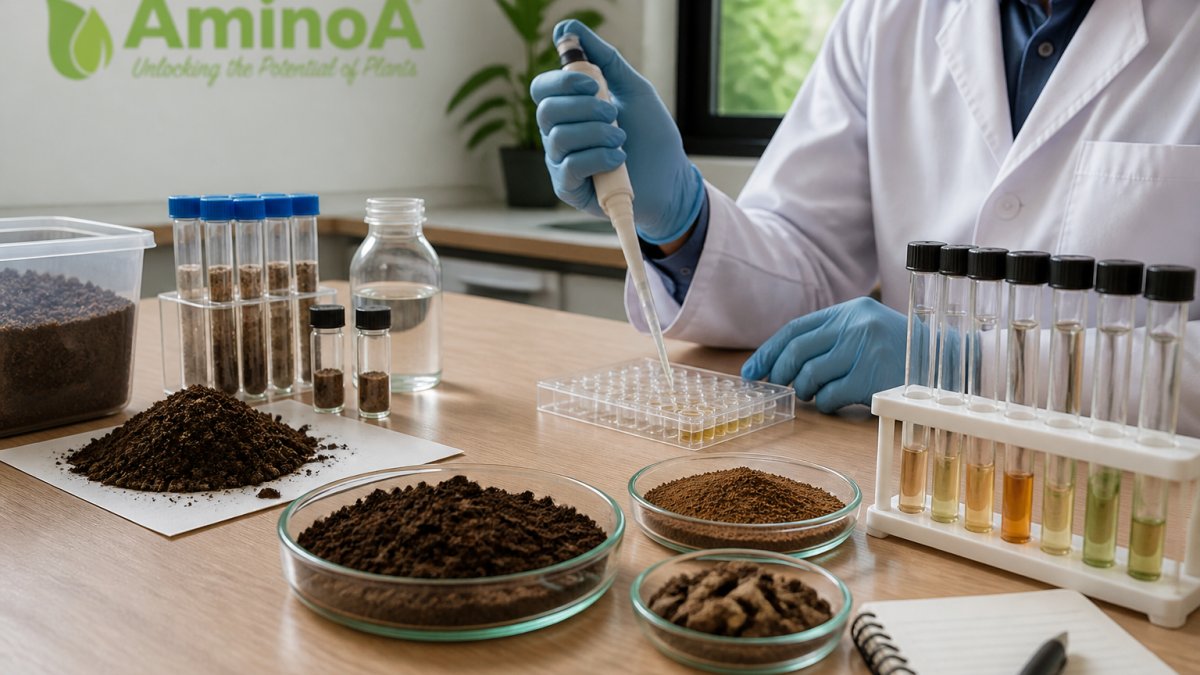
Soil testing confirms nutrient deficiency. A tissue sample (leaves from affected plants) analysed in a laboratory gives precise nutrient levels. This removes guesswork and guides targeted correction.
Crop Monitoring Sensors and Tools for Early Detection
Modern monitoring tools extend your ability to detect stress before visual symptoms appear. Sensors measure soil moisture, temperature, and plant water status continuously.
Soil moisture sensors track water availability in the root zone. These alert you to drought conditions before plants show wilting. Placement matters, sensors should be at rooting depth (typically 15-30 centimetres for shallow-rooted crops, deeper for established perennials).
Thermal imaging cameras detect plant temperature. Stressed plants often run warmer than healthy ones because they're not transpiring efficiently. Thermal imaging can spot stress patches before they're visible to the naked eye.
Leaf wetness sensors monitor conditions that favour disease development. High humidity and leaf wetness create environments where fungal diseases spread rapidly.
Multispectral cameras mounted on drones capture plant reflectance data. Healthy plants reflect green light and absorb red light. Stressed plants show different reflectance patterns, detectable before visible symptoms appear.
These tools are most valuable when combined with regular field walks. A sensor alerts you to a potential problem; visual inspection confirms it and guides your response.
Establishing a Regular Monitoring Schedule
Consistency beats intensity. A 20-minute field walk twice per week catches more problems than a thorough inspection once per month.
Develop a routine:
- Weekly walks during critical growth stages (emergence, flowering, grain fill, fruit development)
- Fortnightly walks during less critical periods (dormancy, early vegetative growth)
- Daily visual checks during high-risk periods (heatwaves, drought, heavy rain, chemical application)
- Record observations (date, location, crop stage, symptoms observed, weather conditions)
Walk the same route each time. You'll start recognising normal variation and spotting genuine deviation faster. Photograph problem areas, photos from week to week show progression clearly.
Include soil and root checks in your routine. Every 2-3 weeks during the growing season, dig up a plant or two. Inspect roots for colour, firmness, and density. Check soil moisture by hand. These simple checks catch problems sensors might miss.
Taking Action After Identifying Crop Stress
Diagnosis without action is wasted effort. Once you've identified stress, your response window is typically 7-14 days before damage becomes irreversible.
Response depends on stress type:
- Drought: Irrigate if water is available. Apply foliar biostimulants to improve water uptake efficiency and reduce transpiration stress.
- Nutrient deficiency: Apply targeted nutrient correction, foliar spray for quick uptake or soil application for longer-term correction.
- Cold or heat stress: Foliar applications can improve plant resilience. Avoid additional stress (spraying, cultivation) during recovery.
- Pest or disease: Identify the specific pest or disease. Apply appropriate control measures early, before populations explode or disease spreads.
- Waterlogging: Improve drainage if possible. Apply biostimulants to support root recovery once water recedes.
Biostimulants containing amino acids support plant recovery across multiple stress types. Amino acids improve root development, enhance nutrient uptake, and boost stress resistance. Products like AminoA's formulations help plants rebuild after stress and improve their resilience to future challenges.
| Stress Type | First Action | Timeline | Follow-up |
|---|---|---|---|
| Drought | Check soil moisture | Immediate | Irrigate or apply biostimulant within 48 hours |
| Nutrient deficiency | Soil or tissue test | Within 3 days | Apply correction based on test results |
| Cold damage | Assess damage extent | Immediate | Apply growth promoter if recovery is possible |
| Disease | Identify pathogen | Within 24 hours | Apply fungicide or bactericide if effective |
| Waterlogging | Improve drainage | Immediate | Support root recovery with biostimulant |
Document your actions and results. Over seasons, you'll build a record of what works on your farm, in your soil, with your varieties. That knowledge is invaluable.
Early detection of crop stress symptoms transforms your farming from reactive crisis management into proactive yield protection. The farmers who thrive are the ones who know their fields intimately, spot problems early, and act decisively. Regular monitoring, combined with targeted intervention, keeps your crops healthy and productive.
When stress does strike, biostimulants like those from AminoA support plant recovery and build resilience. Our L-α amino acid formulations help crops bounce back faster after stress, improve root development, and enhance overall stress resistance, giving your plants the tools they need to perform even in challenging seasons.
Subscribe to our newsletter for regular updates on crop health management and practical guidance tailored to your farming system.
Frequently Asked Questions
What are the first signs of crop stress?
Early crop stress symptoms include subtle leaf discolouration (yellowing or purpling), slight wilting during peak heat, and slower than expected growth. Leaf margins may appear scorched or bleached before broader wilting occurs. In high-value crops like tomatoes and strawberries, early stress reduces flowering and fruit set quality. Regular field walks allow you to catch these signs before they affect yield significantly.
How can you tell whether a crop is stressed by drought or nutrient deficiency?
Drought stress typically shows as uniform wilting across the field, starting with lower leaves and progressing upward, with soil moisture visibly depleted. Nutrient deficiency appears as localised discolouration patterns: nitrogen deficiency yellows older leaves first, whilst potassium deficiency causes brown leaf margins. Soil testing and moisture probes help confirm the cause, allowing targeted intervention with appropriate biostimulants or irrigation adjustments.
How often should crops be checked for signs of stress?
During critical growth phases (establishment, flowering, fruit development), inspect crops weekly or twice-weekly. In stable conditions, fortnightly walks suffice. High-value horticultural crops warrant more frequent checks due to yield impact. Early morning or late afternoon walks reveal wilting symptoms more clearly. Use a consistent route through your field to avoid missing stressed patches, and record observations to track patterns across seasons.
Can crop stress be detected before visual symptoms appear?
Yes. Soil moisture sensors detect water stress before leaves wilt, and leaf chlorophyll meters show nutrient deficiency before discolouration becomes visible. Thermal imaging identifies water-stressed plants through canopy temperature changes. These tools enable intervention before yield loss occurs, making early detection technology valuable for precision management of wheat, barley, and high-value horticultural crops.