 how-to
Improve Crop Stress Resistance Naturally
Table of Contents
- Why Natural Stress Resistance Matters for Arable Yields
- Mitigating Abiotic Stress in Arable Crops: Heat, Drought and Cold
- The Benefits of L-α Amino Acid Biostimulants for Crop Stress Resistance
- Is Foliar Feeding Worth It for Stress Resistance? The Evidence
- A Practical Step-by-Step Plan to Improve Crop Stress Resistance Naturally
- Common Mistakes That Undo Natural Stress Resistance
- Conclusion: A Resilient Crop Starts with Prevention
- Frequently Asked Questions
Last Updated: September 7, 2026
Why Natural Stress Resistance Matters for Arable Yields
Every season brings a moment when weather turns against the crop. A late frost, a three-week dry spell, or a sudden heat spike during flowering can erase months of careful agronomy. The gap between a good year and a poor one is rarely about average conditions; it is about how the crop copes when conditions turn extreme.
Crop stress resistance is the plant's built-in capacity to maintain yield and quality when facing abiotic pressure. Building that capacity naturally means working with the plant's own physiology rather than relying solely on synthetic inputs. At AminoA, we have spent the past decade studying how L-α amino acid biostimulants help arable crops hold yield through difficult periods.
The economic case is straightforward. A crop that withstands a stress event keeps its yield potential intact, and yield protection is far cheaper than yield recovery. Below, we set out a practical, prevention-first plan for improving crop stress resistance naturally, covering soil, nutrition, and the strategic use of biostimulants.
Mitigating Abiotic Stress in Arable Crops: Heat, Drought and Cold
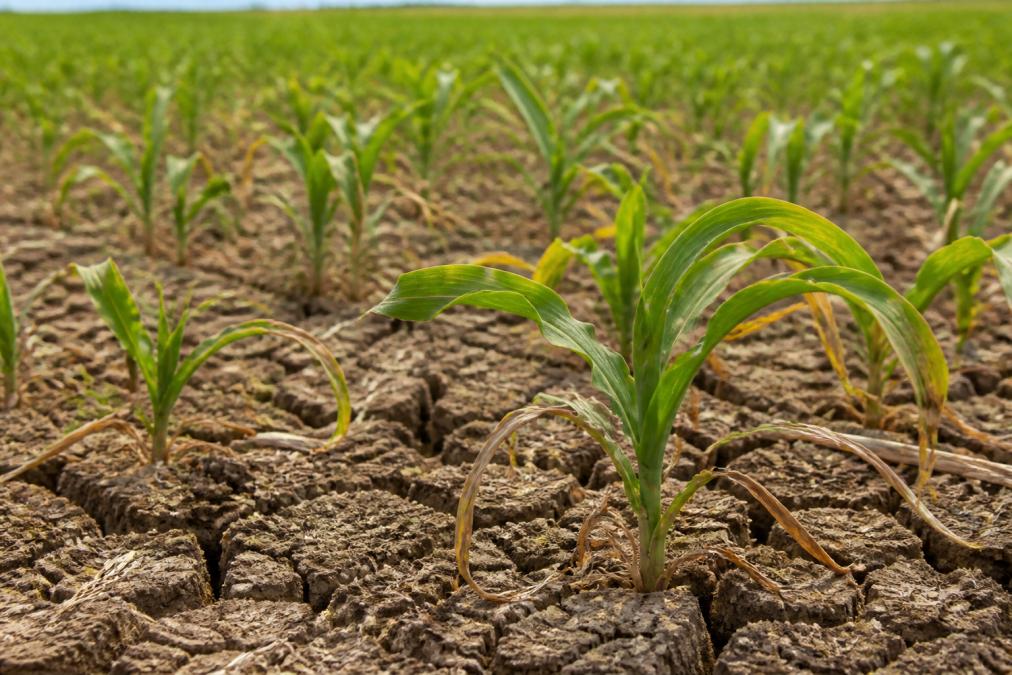
Abiotic stress is the collective term for environmental pressures that limit plant performance. For arable growers, the main culprits are heat, drought, and cold, each of which disrupts the plant's internal processes in a different way. Heat accelerates water loss and can denature enzymes; drought restricts nutrient uptake; cold slows metabolism and damages cell membranes (peer-reviewed research).
Mitigating abiotic stress in arable crops starts with understanding that stress is rarely a single event. It is often a sequence, such as a dry spell followed by heavy rain, which places the root system under compound pressure. Plants respond by producing stress hormones and protective proteins, but this response costs energy that would otherwise go into grain fill.
The practical goal is to reduce the energy penalty. Crops that enter a stress period with strong root development and balanced nutrition recover faster and lose less yield. That is why the most effective strategies address the plant's condition before the stress arrives, not after damage is visible.
The Benefits of L-α Amino Acid Biostimulants for Crop Stress Resistance
Amino acids are the building blocks of proteins, and proteins are the machinery that plants use to respond to stress. When a plant is under pressure, it rapidly synthesises protective proteins, which demands a ready supply of amino acids. If that supply is limited, the stress response slows and yield suffers.
The benefits of L-α amino acid biostimulants lie in supplying these compounds directly, in the form plants can use immediately. Not all amino acid products are equal. The L-α form is the biologically active configuration, and products produced through enzymatic hydrolysis preserve the full spectrum of essential amino acids in that active form (PubMed).
Foliar-applied L-α amino acids support several mechanisms at once: they aid root and leaf development, stimulate blossom and fruit formation, and increase resistance to cold, heat, drought, and agrochemical phytotoxicity. For arable growers, the most relevant outcome is that the crop keeps its yield potential through the stress window.
Is Foliar Feeding Worth It for Stress Resistance? The Evidence
The question most growers ask is whether foliar feeding delivers a measurable return. The honest answer is that it depends on timing and product quality, but the evidence from independent trials is persuasive.
Velcourt trials found that adding AminoA FLO to reduced fungicide rates maintained yields and improved green leaf area in winter wheat. That result matters for two reasons. It shows that a biostimulant can support yield when conventional input rates are trimmed, and it demonstrates a direct, measurable benefit to crop condition.
A common misunderstanding is that foliar feeding replaces soil nutrition. It does not. Foliar amino acids are a supplement, not a substitute, and they are most effective when applied around known stress periods. The cost per hectare is modest relative to the yield you protect, but you need to time applications to the crop's growth stage and the forecast.
A Practical Step-by-Step Plan to Improve Crop Stress Resistance Naturally

A resilient crop is built before the stress hits. This five-step plan sequences the work from pre-season soil preparation through to in-season foliar applications, so each action reinforces the next.
Step 1: Build Soil Organic Matter Before the Season
Soil organic matter is the foundation of stress resistance because it governs water holding capacity and nutrient availability. Soils with higher organic matter buffer the crop against drought by releasing moisture slowly, and they support healthier root exploration. Add compost, farmyard manure, or cover crop residues the autumn before a stress-prone season. Aim to raise organic matter incrementally over several seasons rather than chasing a single large change.
Step 2: Balance Nutrition to Avoid Excess Nitrogen
Excess nitrogen produces lush, soft growth that is more vulnerable to drought and disease (extension.org). Balanced nutrition, by contrast, encourages structural strength and deeper rooting. Review your nitrogen programme against soil tests and adjust potassium and phosphorus to support cell wall integrity and water regulation. The goal is steady, balanced growth, not a quick green-up.
Step 3: Time Foliar Amino Acid Applications Around Stress Events
Foliar amino acids are most effective when applied just before or during a stress event. Monitor the forecast for heat spikes or prolonged dry spells and time applications to coincide. For cold stress, apply ahead of predicted frost where the crop is at a sensitive stage. For arable crops, the key windows are stem extension, flag leaf emergence, and early grain fill.
Common Mistakes That Undo Natural Stress Resistance
The most common error is treating biostimulants as an insurance policy applied once, regardless of crop stage or weather. An application made two weeks after the stress event has passed delivers little benefit because the plant has already redirected energy toward recovery.
A second mistake is ignoring tank mix compatibility. Amino acid products generally mix well with fungicides and insecticides, but phytotoxicity can occur if products are combined incorrectly. Always follow the recommended mixing order and test a small area first if you are combining products for the first time.
The third mistake is expecting foliar feeding to fix a nutrition problem that should have been solved in the soil. If the crop is deficient in a major nutrient, amino acids will not compensate. Correct the underlying imbalance first, then use the biostimulant to support stress response.
Conclusion: A Resilient Crop Starts with Prevention
Improving crop stress resistance naturally is not a single product decision, it is a system of prevention. Build soil organic matter, balance nutrition to avoid soft growth, and time foliar amino acid applications around known stress windows. Each step reduces the energy penalty the crop pays when conditions turn difficult.
The approach suits conventional and organic systems alike, and it aligns with the wider shift toward reducing reliance on traditional agrochemicals. AminoA's L-α amino acid biostimulants, produced through enzymatic hydrolysis and containing every essential amino acid in the active form, support root development, stress resistance, and yield quality across arable and horticultural crops. With ten years of UK market experience behind the products, the science is well tested in local conditions.
Start with one field this season. Apply the plan, keep records, and measure the difference at harvest. Subscribe to our newsletter for more practical guidance on building resilient cropping systems.
Frequently Asked Questions
What are the most effective natural ways to improve crop stress resistance?
Start with soil health: maintain organic matter and avoid compaction so roots explore more soil. Balance nutrition, particularly avoiding excess nitrogen that creates soft growth. Then use L-α amino acid biostimulants as a foliar treatment before or during stress events. The amino acids support protein synthesis and enzyme function directly, which helps the crop maintain growth when heat, drought or cold put pressure on the plant.
How do L-α amino acids help plants cope with environmental stress?
L-α amino acids are the building blocks plants use to make stress-response proteins and enzymes. When applied as a foliar feed, they are absorbed quickly and give the plant ready access to these building blocks, so it does not have to divert energy from growth to manufacture them. AminoA products contain 100% L-α amino acids produced through enzymatic hydrolysis, which means the plant can use them immediately rather than breaking down complex proteins first.
What is the difference between biotic and abiotic stress in crops?
Biotic stress comes from living organisms: pests, fungi, bacteria and viruses. Abiotic stress comes from the environment: drought, heat, cold, waterlogging, and agrochemical phytotoxicity. The natural methods in this article focus on abiotic stress, which is often harder to predict and manage. Building crop stress resistance through balanced nutrition and amino acid biostimulants helps the plant tolerate these environmental pressures without relying on additional chemical inputs.
Can biostimulants reduce the need for traditional fertilisers?
Biostimulants are not a direct replacement for base NPK nutrition, but they can improve how efficiently the crop uses the fertiliser you apply. Velcourt trials found that adding AminoA FLO to reduced fungicide rates maintained yields and improved green leaf area in winter wheat. That means you may be able to trim inputs in a planned programme, but the exact reduction depends on your rotation, soil indices and yield targets. Start with a small area to measure the response.