 how-to
How to Optimise Nitrogen Application Rates for Crops
Table of Contents
- Why Nitrogen Application Rates Need a Plan, Not a Guess
- How to Calculate Nitrogen Fertiliser Requirements
- Soil Testing for Nitrogen Management: What to Sample and When
- Split Nitrogen Application Timing Across the Season
- Variable Rate Nitrogen Application: Matching Dose to Field
- Common Mistakes That Undermine Nitrogen Application Rates
- Conclusion
- Frequently Asked Questions
Last Updated: 18 October 2026
Why Nitrogen Application Rates Need a Plan, Not a Guess
Nitrogen is the input most growers worry about, and the one most often applied by habit. Getting nitrogen application rates right starts with a simple truth: nitrogen does not sit still in soil. It leaches, volatilises and gets locked up, so a single blanket dose rarely matches what the crop needs across a whole field.
This guide shows how to calculate nitrogen fertiliser requirements, test your soils, split applications across the season and match dose to field. Below, we'll walk through each step so you can build a plan you can defend, agronomically and financially.
How to Calculate Nitrogen Fertiliser Requirements
Calculating nitrogen fertiliser requirements means matching crop demand to soil supply. The standard approach is a nitrogen budget: estimate the crop's total need, subtract nitrogen already available in the soil, then apply the difference in splits. This keeps you within what the crop can use and reduces waste.
The main figures you need are:
- Target yield for the field, based on its history
- Crop nitrogen uptake per tonne of yield
- Soil nitrogen supply (SNS) from testing and field history
- Application losses from leaching and volatilisation
Industry guidance such as AHDB's nutrient management resources sets out recommended nitrogen rates for common arable crops. Use these as a starting point, then adjust for your soil type, previous cropping and manure use.
Working Through the Recommendation
Take a winter wheat field targeting a realistic yield. You estimate total crop nitrogen demand from the yield figure and the crop's uptake per tonne. Then you subtract the soil nitrogen supply indicated by your test and field records. The remaining figure is your fertiliser requirement.
Adjust that number for your circumstances:
- Lighter soils hold less nitrogen, so expect higher losses
- Fields with recent manure applications need less bagged nitrogen
- High-yielding crops may justify a small increase, but only with evidence
Rates are a starting point, not a fixed rule. Your agronomist should sanity-check the figure against the field's history before you commit.
Soil Testing for Nitrogen Management: What to Sample and When
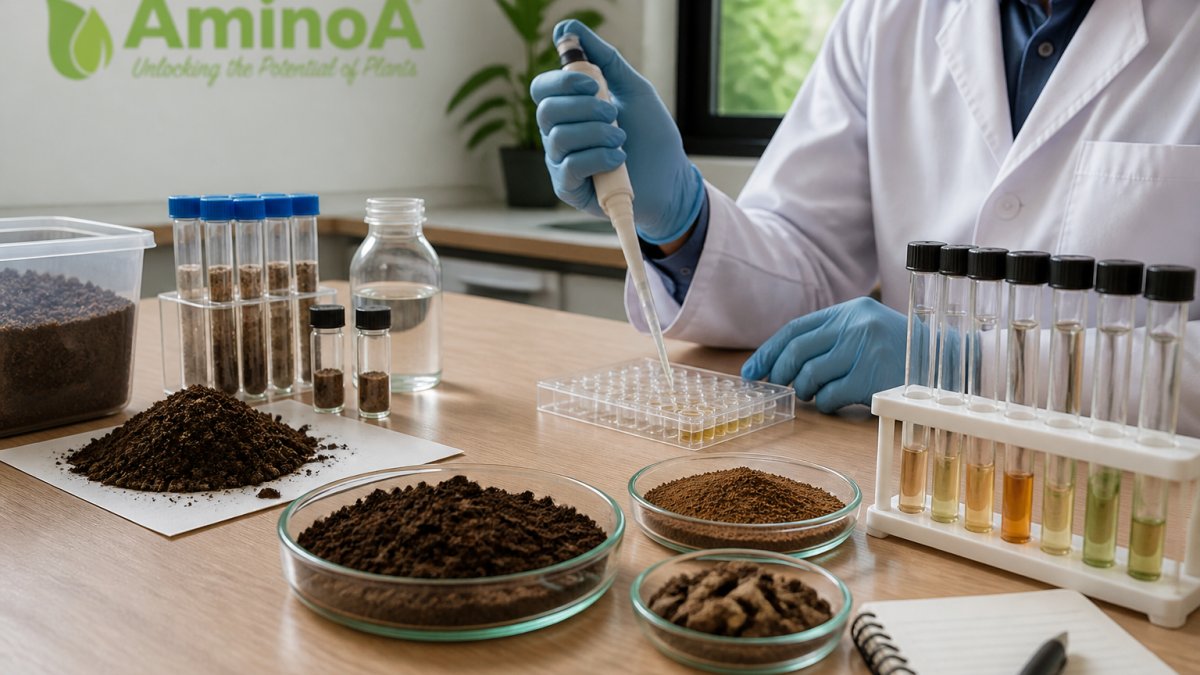
Soil testing for nitrogen management tells you how much nitrogen the soil can supply before you apply any fertiliser. Sample in late winter or early spring, before the main nitrogen demand begins. Take cores from across the field in a W pattern, mix them, and send a representative sample to an accredited lab.
What to sample and when:
- Sample depth: typically 0-30cm for arable topsoil, deeper for some crops
- Timing: late winter for spring nitrogen planning
- Frequency: at least every few years per field, more often on light soils
- Records: pair lab results with field history, including previous crops and manure
Soil nitrogen supply is not the whole story. Organic matter, soil structure and drainage all affect how much nitrogen the crop actually gets. For broader guidance, the Soil Association's soil management guidance covers soil health practices that support nutrient availability.
Split Nitrogen Application Timing Across the Season
Split nitrogen application timing means dividing the season's nitrogen into several doses rather than one. This matches supply to crop demand, cuts leaching losses and gives you room to adjust if conditions change. Most arable crops benefit from two to four splits across the growing season.
A typical split pattern:
- Early dose: supports early growth and tillering
- Main dose: timed to peak crop demand
- Late dose: supports grain fill or fruit development, adjusted to crop condition
Each split should follow the crop's growth stage, not the calendar. Weather matters too: avoid applying before heavy rain, when nitrogen can wash straight past the roots. The Met Office's seasonal outlook is worth checking before you commit to a spray window.
AminoA's L-α amino acid biostimulants can support crops under stress between nitrogen splits. Our products help improve stress resistance and root development, which helps the crop use applied nitrogen more effectively.
Variable Rate Nitrogen Application: Matching Dose to Field
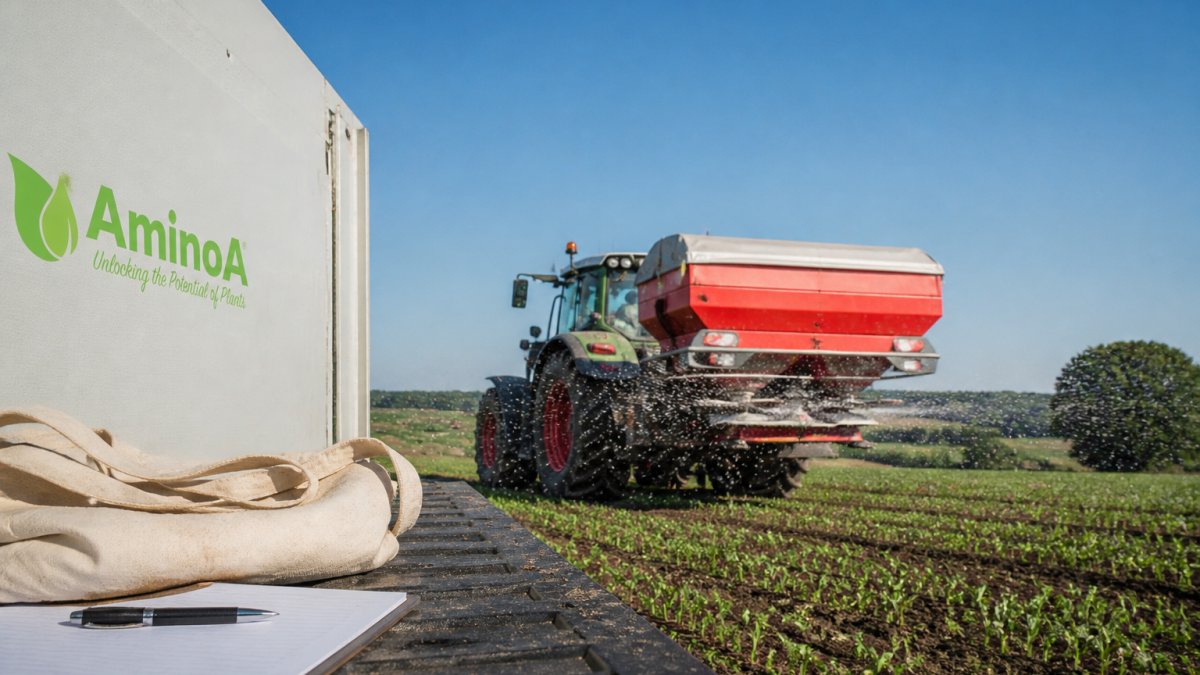
Variable rate nitrogen application matches the dose to the field's actual variation, rather than treating every square metre the same. You split the field into zones based on soil, yield history or crop scans, then apply a different rate to each zone. This is where nitrogen application rates move from a field average to a field-specific plan. Precision placement of nutrients also requires careful machinery management to ensure that the heavy equipment used for these tasks remains effective by avoiding soil compaction.

Start with the data you already have:
- Yield maps from your combine
- Soil test results by zone
- Satellite or drone crop scans
Then build a simple zone map and set a target rate for each zone. Most spreader controllers can follow the map automatically. The result is less nitrogen on poor zones that can't use it, and more where the crop will respond.
Common Mistakes That Undermine Nitrogen Application Rates
The most common mistakes in nitrogen planning are applying by habit, ignoring soil supply and skipping splits. Each one costs money and can hurt yield or the environment. Here are the ones we see most often:
| Mistake | What goes wrong | The fix |
|---|---|---|
| Blanket rate across a variable field | Over- or under-supply in zones | Zone the field and vary the rate |
| Ignoring soil nitrogen supply | Double-counting nitrogen | Test soils and subtract SNS |
| Single large application | Leaching and volatilisation losses | Split across the season |
| Applying before heavy rain | Nitrogen washed past roots | Check the forecast first |
| No records | Rates never improve | Log yield, tests and applications |
A second trap is treating nitrogen in isolation. Crop stress, poor roots and compaction all reduce how much applied nitrogen the crop can take up. Supporting root and crop health alongside nitrogen planning helps you get more from every dose.
Conclusion
Nitrogen planning is a discipline, not a single decision. Test your soils, calculate a budget, split your applications and vary the rate where the field demands it. Each step compounds the last, and your rates get sharper every season.
If you want to help your crops use nitrogen more effectively, AminoA's L-α amino acid biostimulants support root development, stress resistance and overall crop quality. Every essential amino acid is supplied in the L form, produced through enzymatic hydrolysis, with a high content of nitrogen, potassium, iron and magnesium.
Frequently Asked Questions
How do you calculate the nitrogen rate for a crop?
Start with the recommended nitrogen rate for your crop and expected yield, then adjust for soil nitrogen supply from a soil test, previous crop, and organic manure applications. Deduct any nitrogen already applied and account for the field's history of losses. The result is your base rate for the season. Split that total across growth stages rather than applying it all at once, and review the plan after each pass using tissue tests or crop inspection so the next dose reflects how the crop is actually performing.
How can soil testing help optimise nitrogen fertiliser rates?
Soil testing for nitrogen management tells you how much nitrogen is already available in the soil before you buy any fertiliser. Sample to the correct depth in representative zones, and time sampling so results reflect the period the crop will be growing. A high soil nitrogen supply means you can reduce the base rate; a low one means the crop needs more support early. Testing also reveals variation across the field, which feeds directly into variable rate nitrogen application and avoids over-dosing the parts of the field that don't need it.
How can split nitrogen applications improve nitrogen use efficiency?
Split nitrogen application timing matches supply to demand. Instead of one large dose that the crop cannot use all at once, you apply smaller amounts at the stages when the crop is growing fastest and taking up nitrogen most actively. This reduces the nitrogen sitting in the soil waiting to be leached or lost to the atmosphere during wet weather. Splits also give you a decision point: if the season turns dry or the crop is thinner than expected, you can hold back the later dose rather than commit the whole budget upfront.
Can biostimulants help crops use applied nitrogen more efficiently?
Where a crop is under cold, drought, or heat stress, growth stalls and applied nitrogen sits unused. Supporting the crop with L-alpha amino acids helps maintain root and leaf development through those periods. Trials on winter wheat have shown that combining amino acid products with reduced fungicide rates maintained yields and improved green leaf area, which is one route to getting more from the nitrogen you already apply.