 ultimate-guide
Mycorrhizal Fungi in Crop Nutrition: A Practical Guide
Table of Contents
- What Mycorrhizal Fungi Do for Crop Nutrition
- Arbuscular Mycorrhizal Fungi and Phosphorus Uptake
- How to Improve Mycorrhizal Fungi in Soil
- Mycorrhizal Inoculant for Crops: Timing and Application
- Mycorrhizal Colonisation Time and Root Development
- Mycorrhizal Fungi and Stress Resistance in Crops
- Integrating Mycorrhizal Fungi with Biostimulants and Agrochemicals
- Frequently Asked Questions
Last Updated: 12 October 2026
What Mycorrhizal Fungi Do for Crop Nutrition
Mycorrhizal fungi crop nutrition is the partnership between fungal networks and plant roots that fundamentally changes how crops access soil nutrients. Mycorrhizal fungi crop nutrition extends far beyond simple nutrient uptake, as these organisms form symbiotic relationships that unlock mineral availability, enhance water absorption, and improve overall plant resilience. At AminoA, we recognise that understanding this relationship is essential for growers seeking sustainable yield improvements.
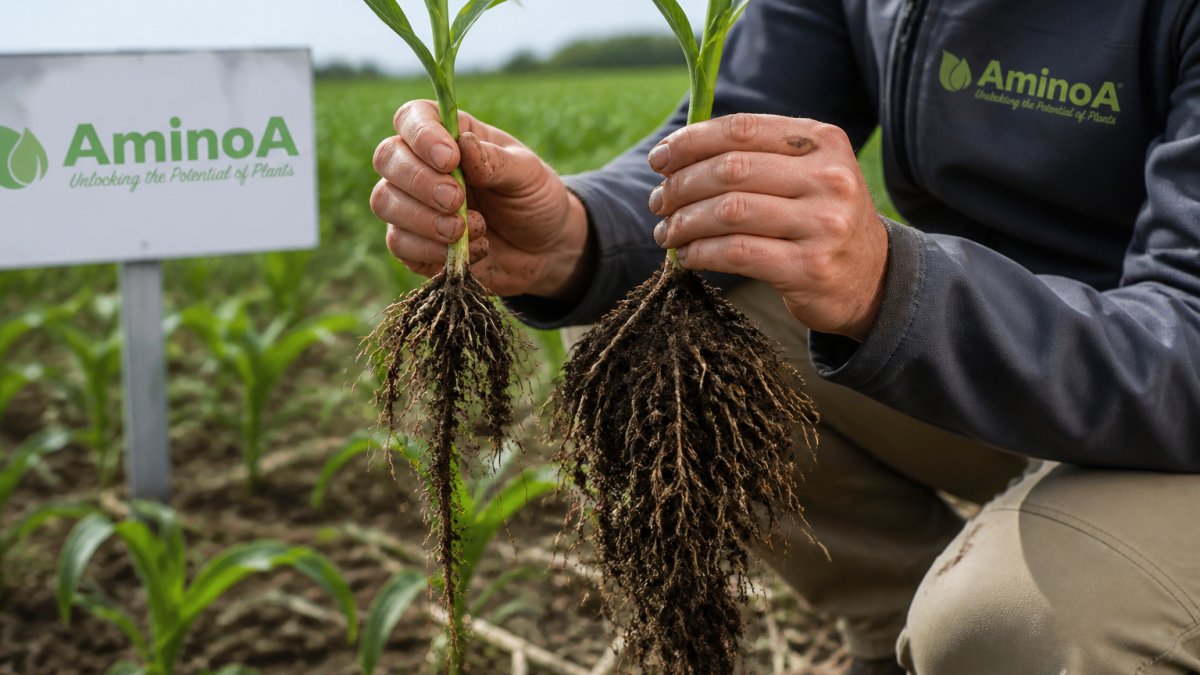
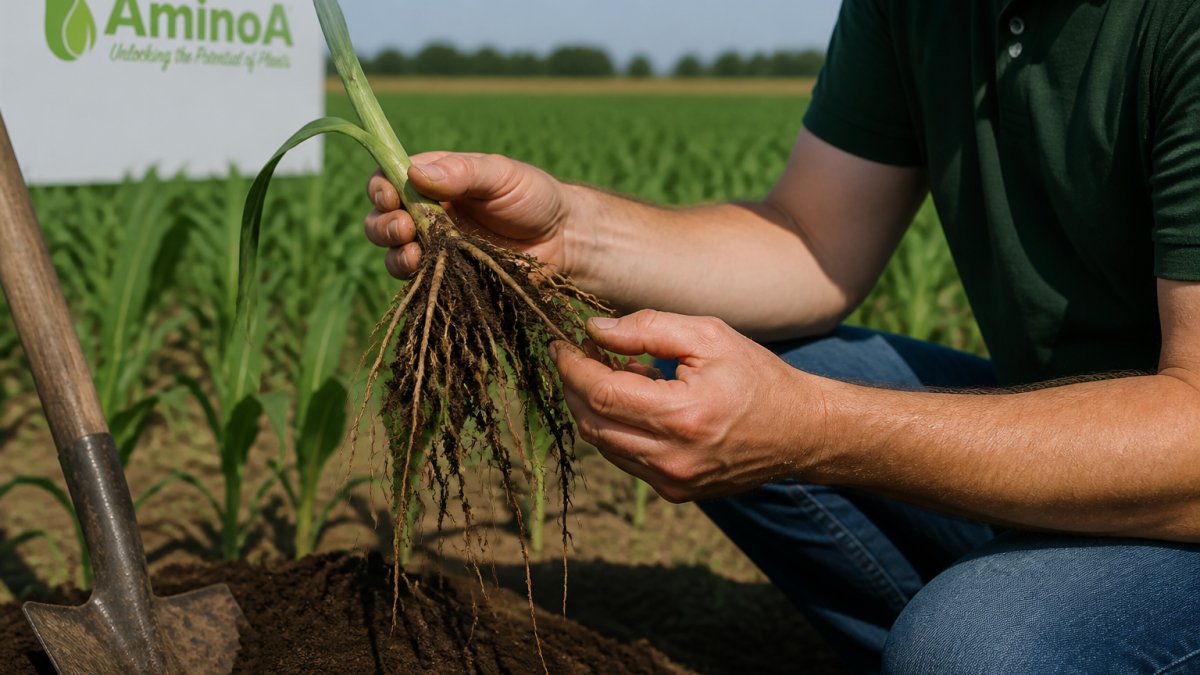
When mycorrhizal fungi colonise root systems, they extend the effective root surface area by orders of magnitude. A single fungal hypha can penetrate soil pores far too small for roots alone to reach, accessing nutrient reserves that would otherwise remain unavailable. The fungi receive carbohydrates from the plant's photosynthesis in return, a genuine trade rather than parasitism. This exchange reshapes crop nutrition strategy entirely.
The practical benefit is straightforward: crops require less applied fertiliser to achieve the same nutrient status when mycorrhizal populations are strong. This matters for economics, soil health, and regulatory compliance. Growers managing organic systems or seeking to reduce agrochemical dependency find that mycorrhizal fungi provide a biological lever they cannot replicate through fertiliser alone.
Arbuscular Mycorrhizal Fungi and Phosphorus Uptake
Arbuscular mycorrhizal fungi and phosphorus uptake represent one of the most significant nutrient-plant-fungal interactions in agriculture. Phosphorus is notoriously immobile in soil, it binds tightly to soil particles and becomes locked in forms plants cannot absorb, yet it is essential for root development, energy metabolism, and reproductive growth. Arbuscular mycorrhizal fungi (AMF) specialise in solving this problem.
The mechanism is biochemical. Fungal hyphae penetrate soil aggregates and dissolve phosphorus through organic acid secretion and enzymatic action, converting it into plant-available forms. Research from Rothamsted Research documents that mycorrhizal colonisation can increase phosphorus uptake by 50% or more compared to non-colonised roots in phosphorus-limited soils. For crops like cereals, pulses, and oilseeds, where phosphorus availability directly constrains yield, this uplift translates to measurable grain weight and quality improvements.
AMF effectiveness depends on soil conditions and fungal species composition. Soils with high phosphorus levels suppress fungal colonisation because plants have no nutritional incentive to support the symbiosis. Conversely, phosphorus-deficient soils favour strong colonisation. Growers working with inherently low-phosphorus soils or those reducing phosphorus inputs see the greatest returns from AMF establishment.
The arbuscular mycorrhizal fungi and phosphorus relationship also affects crop stress tolerance. Phosphorus-colonised roots develop stronger cell walls and improved osmotic regulation, enhancing drought and cold resistance. This dual benefit, improved nutrition and stress resilience, makes phosphorus uptake through mycorrhizal pathways a cornerstone of sustainable intensification.
How to Improve Mycorrhizal Fungi in Soil
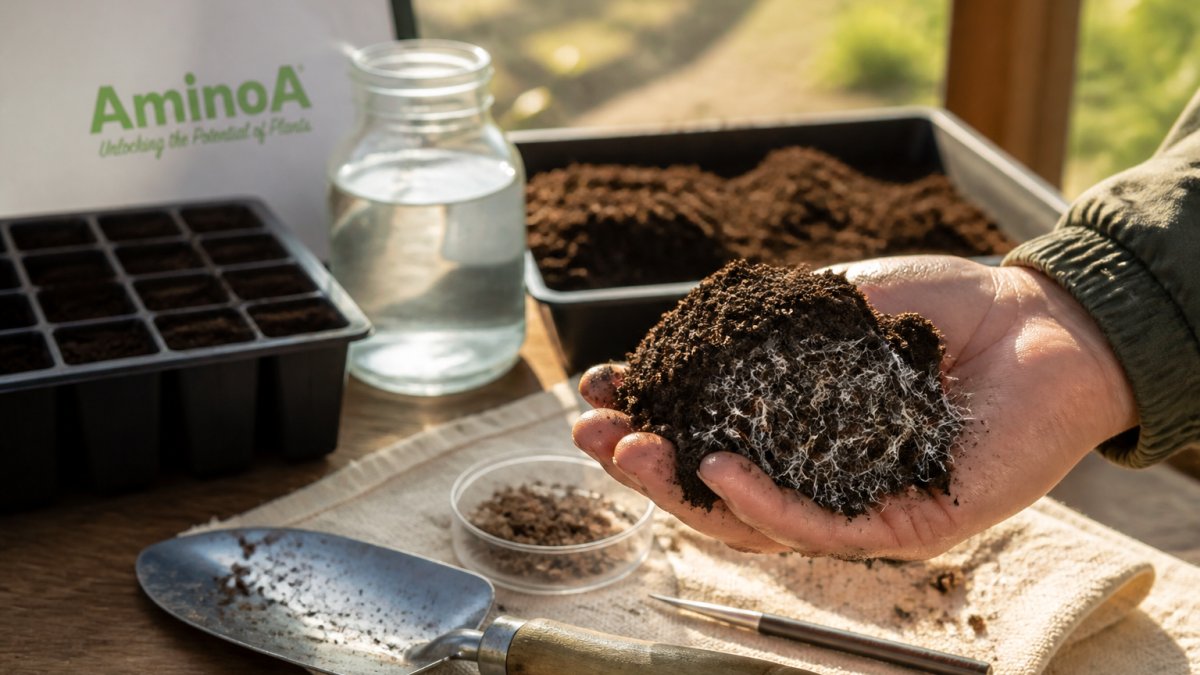
Improving mycorrhizal fungi populations requires deliberate agronomic choices that favour fungal establishment and persistence. The most effective approach is minimising soil disturbance. Tillage fragments hyphal networks, killing established fungi and setting colonisation back by weeks or months. Growers shifting toward conservation agriculture, reduced tillage, cover cropping, and permanent residue cover, typically see mycorrhizal populations recover within 2-3 seasons.
Crop rotation directly influences fungal diversity and abundance. Different crops support different AMF species; rotating between cereals, legumes, and broadacre crops maintains a diverse fungal community. Monoculture, by contrast, selects for a narrow fungal profile and increases vulnerability to soil-borne pathogens. Including mycorrhizal-responsive crops, particularly legumes and root vegetables, in the rotation accelerates fungal recovery in degraded soils.
Agrochemical use suppresses mycorrhizal colonisation. Broad-spectrum fungicides kill beneficial fungi alongside pathogens. Phosphate fertilisers reduce the plant's dependence on fungal partners, weakening the symbiosis. Glyphosate-based herbicides are documented to inhibit fungal function even at sub-lethal rates. Growers aiming to rebuild mycorrhizal populations must reduce or eliminate these inputs during the establishment phase, typically 12-24 months.
Organic matter addition, compost, farmyard manure, or cover crop residues, feeds the microbial community that supports mycorrhizal fungi. Bacteria and other fungi create the soil ecosystem conditions AMF require. Bare, compacted, low-organic soils support weak fungal populations regardless of other management. Building soil organic matter from 2% to 3-4% typically correlates with visible improvements in mycorrhizal colonisation rates.
Mycorrhizal Inoculant for Crops: Timing and Application
Mycorrhizal inoculant for crops offers a shortcut when natural colonisation is too slow or when soil conditions are particularly depleted. Commercial inoculants contain viable spores or mycelium of selected AMF species, applied at sowing or transplanting to accelerate root colonisation. The timing and application method determine whether the investment delivers returns.
Inoculant efficacy depends on soil conditions at application. Soils with existing AMF populations rarely benefit from added inoculant, competition from established fungi limits the inoculant's establishment. Newly cultivated soils, severely compacted fields, or soils treated with fungicides the previous season are ideal candidates. Growers should assess existing mycorrhizal populations through spore counts or visual colonisation assessments before investing in inoculant.
Application timing is critical. Seed dressings work for direct-seeded crops, ensuring inoculant contacts developing roots immediately. Transplanted crops benefit from inoculant applied to potting media or as a root dip before planting. For established crops, soil application is ineffective because inoculant cannot compete with existing root systems. Timing inoculant to crop establishment, not mid-season, is non-negotiable.
Inoculant performance also depends on carrier quality and storage. Spore viability declines over time, particularly in warm, moist conditions. Inoculants stored at ambient temperature for more than 6 months often show significantly reduced colonisation rates. Cold storage extends viability, but many commercial products lack proper temperature control during distribution and retail storage. Sourcing inoculant from suppliers with verifiable cold-chain management improves success rates substantially.
Mycorrhizal Colonisation Time and Root Development
Mycorrhizal colonisation time varies with crop, soil temperature, and fungal species, but understanding the timeline helps growers set realistic expectations. Initial colonisation typically begins 2-4 weeks after root emergence, visible as fine fungal hyphae penetrating root cortex cells. Full colonisation, where mycorrhizal benefits become agronomically significant, requires 8-12 weeks under favourable conditions.
Soil temperature is the dominant factor controlling colonisation speed. Below 10°C, fungal growth nearly stops. Between 15-25°C, colonisation proceeds rapidly. Above 28°C, many temperate AMF species slow or cease growth. Spring-sown crops in cool soils experience delayed colonisation compared to summer crops, extending the period before mycorrhizal benefits materialise. Growers in northern regions should account for this lag when planning crop nutrition strategies.
Root development and mycorrhizal colonisation are interdependent. Vigorous roots with rapid extension rates support faster fungal colonisation because they continuously expose new cortex tissue for fungal penetration. Conversely, weak root systems, caused by poor soil structure, compaction, or nutrient stress, slow colonisation. Biostimulants that enhance early root development, such as AminoA's L-α amino acid products, accelerate mycorrhizal establishment by promoting strong root architecture in the critical early weeks.
The practical implication is that mycorrhizal benefits accumulate over time. Early-season yield components, tiller number in cereals, branch count in legumes, are largely determined before substantial mycorrhizal benefit accrues. Mid-season and grain-fill nutrition, however, rely heavily on mycorrhizal uptake. Crops managed to support early mycorrhizal colonisation typically show superior late-season growth and grain quality compared to those relying on fungicide-suppressed populations.
Mycorrhizal Fungi and Stress Resistance in Crops
The role of mycorrhizal fungi in crop nutrition extends to stress tolerance, a benefit often overlooked by growers focused solely on nutrient uptake. Mycorrhizal colonisation improves drought resistance through multiple mechanisms: enhanced water uptake via expanded hyphal networks, improved osmotic regulation through better mineral nutrition, and stronger cell wall structure. Crops under water stress with strong mycorrhizal populations maintain turgor and photosynthetic function longer than non-colonised crops.
Cold tolerance similarly improves with mycorrhizal colonisation. Phosphorus uptake through mycorrhizal pathways supports membrane integrity and carbohydrate metabolism, both critical for freezing tolerance. Crops with strong mycorrhizal associations survive late spring frosts and early autumn cold snaps better than those relying on conventional nutrient uptake alone. This matters particularly for high-value crops like soft fruit and protected horticulture, where frost damage is economically catastrophic.
Heat stress tolerance also correlates with mycorrhizal status. Mycorrhizal fungi enhance potassium and magnesium uptake, both essential for maintaining photosynthetic efficiency under high temperature. Additionally, mycorrhizal colonisation reduces the plant's metabolic burden of nutrient acquisition, freeing energy for heat-stress responses. Trials conducted by University of Reading Department of Agriculture have documented 15-20% improvements in heat-stress recovery in mycorrhizal-colonised crops compared to controls.
Agrochemical phytotoxicity is another stress where mycorrhizal fungi provide protection. Fungicide and insecticide residues can damage root function and suppress photosynthesis. Mycorrhizal fungi buffer these effects by enhancing nutrient status and root cell membrane integrity. Growers applying intensive spray programmes, particularly in protected crops, often observe that mycorrhizal-colonised plants show less visible phytotoxicity damage and recover more rapidly than non-colonised plants.
Integrating Mycorrhizal Fungi with Biostimulants and Agrochemicals
Integrating mycorrhizal fungi with biostimulants and agrochemicals requires understanding compatibility and timing. Not all agrochemical inputs are compatible with strong mycorrhizal populations. Broad-spectrum fungicides kill mycorrhizal fungi alongside pathogens; selective fungicides targeting specific diseases have less impact. Phosphate fertilisers suppress colonisation by reducing the plant's nutritional demand for fungal partners. Systemic insecticides vary in their mycorrhizal effects depending on active ingredient and application rate.
The integration strategy most growers find effective is layered: establish mycorrhizal populations during a foundation phase (12-24 months) with minimal fungicide and phosphate use, then maintain populations through selective agrochemical use once colonisation is strong. Biostimulants, particularly amino acid products like those from AminoA, complement mycorrhizal colonisation because they enhance root development and stress tolerance without suppressing fungal populations. Amino acids improve root cell vigour, accelerating mycorrhizal penetration and supporting the symbiosis energetically.
Tank mixing biostimulants with fungicides is generally safe provided fungicide choice is considered. Contact fungicides (sulphur, copper, mancozeb) have minimal mycorrhizal impact. Systemic fungicides (azoles, strobilurins) suppress fungal growth at field rates but do not eliminate established populations. Timing applications to minimise overlap with critical colonisation windows, typically 4-8 weeks after emergence, reduces negative effects. Growers applying biostimulants and fungicides together should space applications by 7-10 days where possible to allow biostimulant uptake before fungicide application.
Research from AHDB (Agriculture and Horticulture Development Board) documents that combining reduced fungicide programmes with mycorrhizal establishment and amino acid biostimulant support maintains yields whilst reducing agrochemical input costs. The Velcourt trials noted in our experience showed that adding AminoA FLO to reduced fungicide rates maintained yields and improved green leaf area in winter wheat, a practical demonstration that mycorrhizal-compatible crop nutrition strategies deliver both economic and environmental benefits.
Mycorrhizal fungi represent a biological foundation for sustainable crop nutrition. Building and maintaining strong fungal populations requires deliberate agronomic choices, minimising soil disturbance, rotating crops, reducing antagonistic agrochemicals, and supporting root development through biostimulants. The payoff is crops that require less applied fertiliser, tolerate stress more effectively, and deliver improved yield and quality. At AminoA, we support this transition by providing amino acid biostimulants that enhance root development and stress tolerance, creating the conditions where mycorrhizal fungi thrive. Growers integrating mycorrhizal management with targeted biostimulant support typically see measurable improvements in both crop performance and long-term soil health. Subscribe to our newsletter for practical guidance on implementing mycorrhizal-based nutrition strategies on your farm.
Frequently Asked Questions
What role do mycorrhizal fungi play in crop nutrition?
Mycorrhizal fungi form symbiotic relationships with crop roots, extending the root system far beyond what the plant alone can access. They colonise root tissues and spread through soil, absorbing nutrients that would otherwise remain unavailable to the plant. In return, the fungus receives carbohydrates from photosynthesis. This relationship improves access to phosphorus, potassium, and micronutrients, directly supporting crop nutrition and yield.
How long does mycorrhizal colonisation time typically take?
Mycorrhizal colonisation typically begins within 2-4 weeks of root contact, though visible benefits often take 8-12 weeks to manifest. The speed depends on soil temperature, moisture, fungal inoculum density, and crop species. Warmer soils with adequate moisture favour faster colonisation. Early-season establishment is critical; crops colonised during active growth phases show stronger nutrient uptake and stress resilience throughout the season.
How can farmers encourage mycorrhizal fungi in soil without harming colonisation?
Reduce soil disturbance through reduced or no-till practices, which preserves fungal networks. Avoid excessive phosphate fertiliser, which can suppress fungal activity. Maintain crop diversity and rotation to support varied fungal communities. Ensure adequate soil moisture and organic matter. Minimise fungicide applications where possible, as broad-spectrum fungicides can damage mycorrhizal populations. These practices create conditions where existing fungi thrive and new inoculants establish successfully.
Can mycorrhizal inoculants reduce reliance on conventional fungicides and agrochemicals?
Mycorrhizal fungi enhance crop stress resistance, which can reduce pressure from certain diseases and environmental stresses. However, they are not a replacement for integrated pest management. A Velcourt trial demonstrated that adding amino acid biostimulants to reduced fungicide rates maintained yields and improved green leaf area in winter wheat, suggesting that enhanced nutrition and stress resilience can support lower chemical inputs when part of a broader strategy.