 ultimate-guide
Humic Acid for Root Growth: Benefits & Application
Table of Contents
- How Humic Acid Stimulates Root Growth
- Humic Acid Application Rates for Crops
- Rhizosphere Health and Crop Yield
- Biostimulants for Root Development
- Nutrient Uptake and Stress Resilience
- Practical Results: What Growers Experience
- Getting Started with Humic Acid
- Frequently Asked Questions
Last Updated: October 4, 2026
How Humic Acid Stimulates Root Growth
Humic acid is an organic compound that enhances humic acid root growth by improving soil structure and nutrient availability at the root zone. When applied to soil, it acts as a natural chelating agent, binding essential minerals into forms plants can readily absorb. This mechanism directly addresses a core challenge in modern agriculture: making existing nutrients more accessible to crops without increasing fertiliser input.
The way humic acid works centres on the rhizosphere, the narrow zone of soil immediately surrounding active roots. Here, microbial activity intensifies, and nutrient exchange accelerates. Humic substances increase the cation exchange capacity of soil, meaning more calcium, magnesium, potassium, and trace elements remain available for root uptake rather than leaching away. This is particularly valuable in sandy soils with naturally low organic matter, where nutrient retention would otherwise be poor.
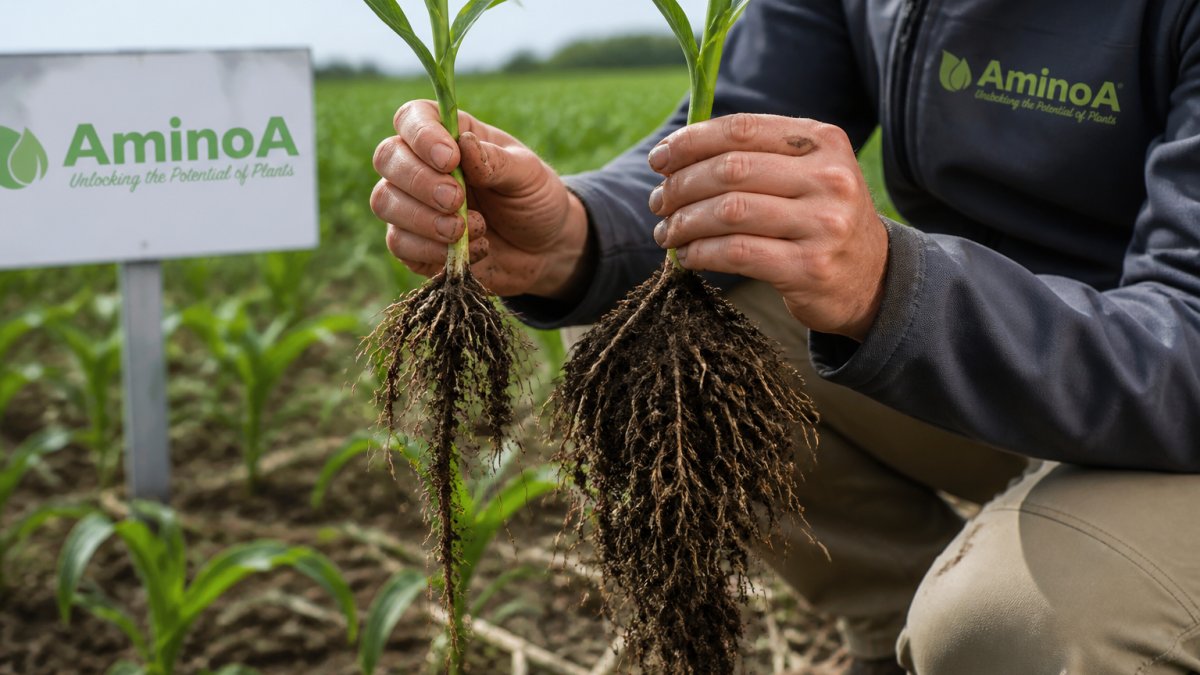
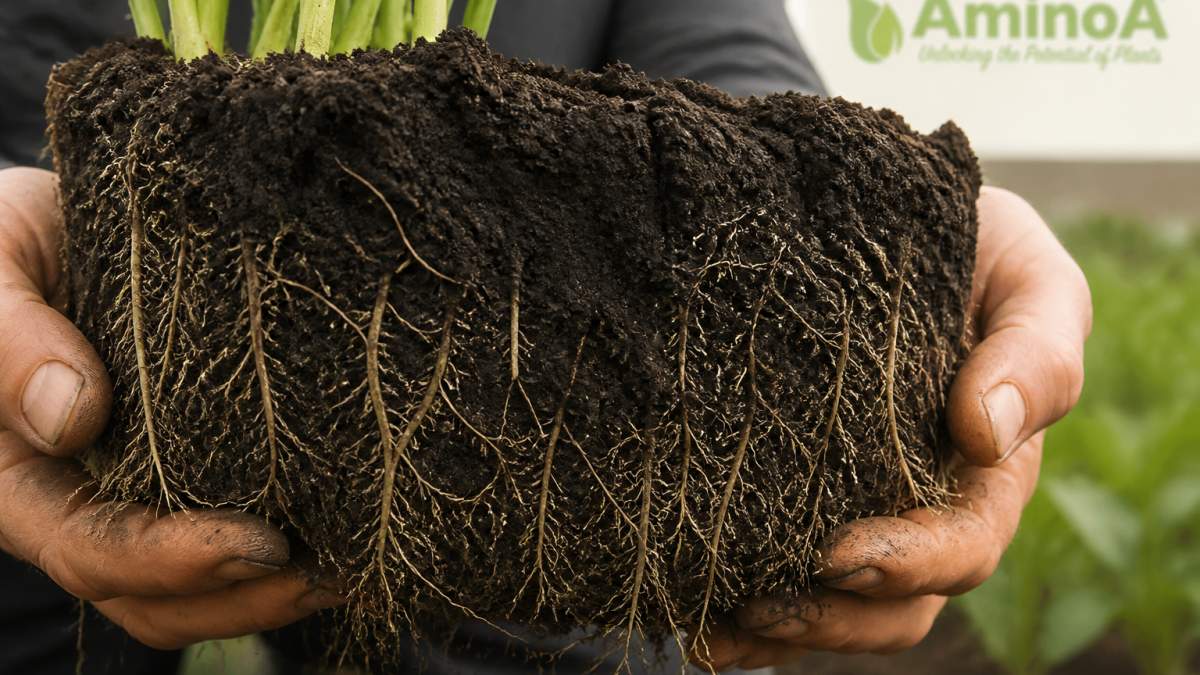
Root elongation and lateral branching improve noticeably when humic acid root growth is stimulated by the compound's presence. The compound stimulates cell division in the root meristem and strengthens cell wall structure, resulting in roots that are both longer and stronger. Growers often observe increased root hair density within weeks of application, these fine absorptive structures are where nutrient uptake actually happens.
Humic Acid Application Rates for Crops
Application rates for humic acid depend on soil type, crop species, and existing soil organic matter. Most arable crops respond to rates between 10 and 30 litres per hectare when using liquid formulations, though rates vary based on product concentration and soil baseline conditions.
For cereals, wheat, barley, and oats, growers typically apply humic acid in split doses: half at establishment and half at the tillering stage. This approach maximises root development during the critical phases when the crop is building its root architecture. Sandy soils with low organic matter often benefit from the higher end of the rate range, whilst clay soils with established organic matter may respond well at lower rates.
Horticultural crops like strawberries, tomatoes, and soft fruits often receive humic acid through fertigation systems. Rates of 5-10 litres per hectare in drip irrigation have shown consistent results in improving fruit quality and yield consistency. Organic growers appreciate humic acid because it delivers tangible root benefits without synthetic inputs, it's a natural biostimulant that fits seamlessly into certified systems.
The cost per hectare depends on product concentration and local supply, so growers should request a quotation based on their specific acreage and crop. Applying humic acid as part of an integrated nutrition strategy, rather than in isolation, typically delivers the strongest return on investment. Combining it with balanced NPK nutrition and other biostimulants creates a synergistic effect on root development and overall crop performance.
Rhizosphere Health and Crop Yield
The rhizosphere is where crop success is ultimately decided. A healthy rhizosphere contains active microbial communities, stable soil structure, and abundant available nutrients. Humic acid strengthens all three elements simultaneously, which is why its impact on yield often exceeds what conventional NPK fertiliser alone can achieve.
Soil microorganisms, bacteria, fungi, and actinomycetes, feed on organic matter and create the biological environment that supports nutrient cycling. Humic substances act as a carbon source for these microbes, stimulating their populations and activity. In return, microbial metabolites improve soil aggregation, water retention, and aeration. This biological feedback loop creates soil conditions where roots thrive and nutrient uptake becomes more efficient.
Crop yield improvements typically emerge through multiple pathways: stronger root systems access water more reliably during dry periods, nutrient uptake becomes more efficient even when soil nutrient levels are moderate, and disease pressure often decreases because healthy roots resist pathogenic colonisation more effectively. Field observations across different crops and regions show yield gains ranging from modest improvements in optimal conditions to substantial increases where soil health was previously compromised.
The relationship between rhizosphere health and crop yield is direct and measurable. Trials conducted by Velcourt demonstrated that adding humic acid-based biostimulants to reduced fungicide programmes in winter wheat maintained yields whilst improving green leaf area, a marker of crop vigour. This outcome reflects improved root function translating into better nutrient and water uptake, which then supports above-ground growth and disease resilience.
Biostimulants for Root Development
Biostimulants are natural or naturally-derived compounds that enhance plant physiological processes without being nutrients themselves. Humic acid sits within this category, but understanding the broader biostimulant landscape helps growers make informed choices about integrated strategies.
L-α amino acids represent another major class of biostimulants. These are the building blocks of plant proteins and directly support cell division, enzyme function, and stress response. When applied alongside humic acid, amino acids accelerate root cell elongation and increase the plant's capacity to synthesise stress-protective compounds like proline. At AminoA, we specialise in enzymatically hydrolysed amino acid biostimulants that deliver all essential amino acids in the L form, the only form plants can utilise. This combination of humic acid and complete amino acid profiles creates a synergistic effect on root development that neither component achieves alone.
Seaweed extracts and other natural biostimulants contain auxins, cytokinins, and betaines, plant hormones and osmolytes that regulate growth and stress tolerance. These work well in rotation or combination with humic acid to sustain root vigour throughout the season.
The key distinction between biostimulants and fertilisers is important: biostimulants improve how efficiently plants use available nutrients, whilst fertilisers supply the nutrients themselves. A grower using only biostimulants will eventually deplete soil nutrients. A grower using only fertiliser without biostimulants may waste inputs because uptake efficiency remains suboptimal. The most effective approach combines balanced nutrition with biostimulants that unlock nutrient availability and root function. Optimising these interactions becomes particularly critical when treating alkaline soil, where high pH levels often lock away essential micronutrients regardless of the biostimulant programme in place.
Nutrient Uptake and Stress Resilience
Humic acid fundamentally changes how crops interact with soil nutrients. By chelating minerals and increasing soil cation exchange capacity, it ensures that applied nutrients remain plant-available longer. This is especially valuable for mobile nutrients like nitrogen and potassium, which can leach rapidly in high-rainfall regions or sandy soils.
Stress resilience, the crop's ability to maintain function under heat, drought, cold, or agrochemical exposure, improves markedly when root systems are strong. Strong roots access deeper water reserves during dry periods and maintain nutrient uptake when surface soil dries. Humic acid's role in promoting deep rooting directly enhances drought tolerance.
Cold stress and heat stress both reduce nutrient uptake efficiency because root function slows. Crops with humic acid-enhanced root systems show faster recovery from stress events and maintain higher nutrient status during challenging conditions. This translates to fewer quality defects, better fruit colour in horticultural crops, and improved grain protein content in cereals.
Agrochemical phytotoxicity, damage caused by fungicides, insecticides, or herbicides, is reduced when plants are in strong nutritional status. Humic acid improves nutrient sufficiency, which increases the plant's capacity to repair damage and tolerate chemical exposure. Growers managing integrated pest management programmes often find that humic acid applications reduce the risk of spray damage and allow more flexible spray timing.
Practical Results: What Growers Experience
In practice, growers report consistent benefits within 4-8 weeks of humic acid application. Early signs include darker green foliage, more vigorous tillering in cereals, and faster canopy closure in horticultural crops. These are visual markers of improved nutrient uptake and root function.
Yield improvements depend on starting conditions. In soils with low organic matter or poor structure, gains are typically larger, sometimes 5-15% yield increase alongside reduced input costs. In soils already in good condition, improvements are more modest but still measurable through better consistency, improved quality, and reduced disease pressure.
Water-use efficiency improves noticeably. Crops with better root systems require fewer irrigations to maintain growth, which reduces both cost and environmental impact. Horticultural growers managing strawberries or tomatoes under polytunnel conditions often reduce irrigation frequency by 10-20% whilst maintaining or improving yield.
Organic growers consistently report that humic acid is one of the most cost-effective inputs they can deploy. Because it works with natural soil biology rather than replacing it, it fits seamlessly into organic systems and often qualifies for certification without special approval. The investment typically returns within the same season through improved crop performance and reduced reliance on other inputs.
Getting Started with Humic Acid
Begin with a soil test to establish your baseline organic matter and nutrient status. This context helps determine the optimal application rate and timing for your specific situation. A grower with 3% soil organic matter will see more dramatic response than one with 6%, and sandy soils respond faster than clay soils.
Apply humic acid early in the growing season when roots are establishing. For annual crops, this means pre-sowing or at crop emergence. For perennial crops like strawberries or soft fruits, apply in early spring before growth accelerates. Early application gives the compound time to condition the soil and establish microbial activity before peak nutrient demand.
Consider combining humic acid with a complete amino acid biostimulant like those AminoA manufactures. The synergy between humic substances and L-α amino acids produces stronger root development and stress resilience than either component alone. This integrated approach addresses multiple physiological pathways simultaneously.
Monitor crop response over the first season. Look for visual markers: darker foliage, stronger root systems if you dig plants, improved recovery from stress events, and ultimately yield and quality outcomes. Most growers find they can reduce other inputs, synthetic fertiliser rates, fungicide applications, or irrigation frequency, once humic acid is working effectively.
Start with a smaller trial area if you're new to humic acid. This reduces risk and gives you direct comparison data from your own farm. Once you see results, scaling up becomes straightforward and confidence in the investment increases significantly.
Improving root growth is foundational to sustainable, profitable farming. Humic acid addresses this directly by enhancing soil biology, increasing nutrient availability, and strengthening root architecture. The evidence from growers across different crops and regions is clear: better roots mean better yields, stronger stress resilience, and reduced reliance on synthetic inputs. At AminoA, we've spent 10 years developing amino acid biostimulants that work to maximise root development and crop performance. Whether you're managing conventional arable systems or certified organic production, integrating humic acid into your nutrition strategy delivers measurable returns. Subscribe to our newsletter to receive evidence-based guidance on biostimulant strategies, soil health, and crop optimisation tailored to your farming system.
Frequently Asked Questions
How does humic acid stimulate root growth in crops?
Humic acid acts as a chelating agent, binding essential minerals and making them available for root uptake. It enhances cell permeability, allowing roots to absorb nutrients more efficiently. Humic compounds also promote beneficial microbial activity in the rhizosphere, creating conditions that encourage lateral root development and increase the root's surface area for nutrient absorption.
What is the difference between humic and fulvic acid for plant roots?
Humic acid has a larger molecular weight and binds strongly to soil particles, improving soil structure and water retention long-term. Fulvic acid has smaller molecules and penetrates plant tissues more readily, offering faster nutrient transport. Many growers use both: humic acid for sustained soil health, fulvic acid for rapid nutrient availability during active growth phases.
How often should humic acid be applied for optimal root health?
Application frequency depends on crop type, soil condition, and product formulation. Most arable crops benefit from applications at key growth stages: establishment, tillering or early vegetative growth, and pre-flowering. Horticultural crops often require more frequent applications. Soil testing and monitoring root development help determine optimal timing for your specific situation.
Is humic acid compatible with other biostimulants?
Yes, humic acid works synergistically with amino acid biostimulants, seaweed extracts, and microbial inoculants. L-α amino acids, for example, enhance protein synthesis whilst humic acid improves nutrient availability, together they accelerate root establishment. Always verify compatibility with fungicides and insecticides before tank-mixing, and conduct small-scale trials to confirm efficacy.