 how-to
How to Transition to Regenerative Nitrogen Management
Table of Contents
- Why Transition to Regenerative Nitrogen Management
- Assess Your Current Nitrogen Management Plan for Farms
- Soil Testing for Nitrogen Management: Where to Start
- Implement Cover Crops and Nitrogen Management Practices
- Optimise Nitrogen Use Efficiency in Agriculture
- Integrate Biostimulants to Support Your Transition
- Monitor Progress and Adjust Your Approach
- Frequently Asked Questions
Last Updated: October 20, 2026
Why Transition to Regenerative Nitrogen Management
Regenerative nitrogen management is a farming approach that builds soil health whilst maintaining crop productivity and reducing reliance on synthetic fertilisers. Instead of applying high rates of artificial nitrogen, regenerative systems work with soil biology to improve nutrient cycling naturally.
The shift matters because conventional nitrogen management often depletes soil organic matter over time. Heavy fertiliser applications can damage soil structure, reduce microbial activity, and create nutrient imbalances. Regenerative nitrogen management addresses these issues by strengthening the soil ecosystem itself.
Here's what changes when you transition:
- Soil organic matter increases, improving water retention and nutrient availability
- Microbial populations recover, enhancing natural nutrient cycling
- Fertiliser costs typically decrease over 2-3 seasons
- Crop resilience to drought and disease improves
- Long-term yield stability becomes more predictable
Many growers hesitate because the transition feels risky. You're moving away from a system you understand towards one that requires patience. But the evidence is clear: farms that make this shift see improved soil structure, reduced input costs, and better crop performance within two years.
Assess Your Current Nitrogen Management Plan for Farms
Before changing anything, understand exactly what you're doing now. Your current nitrogen management plan defines the baseline. Without this clarity, you won't know whether regenerative approaches are actually working.
Document these specifics about your nitrogen management for farms:
- Total nitrogen applied per hectare annually (synthetic, organic, and biological sources combined)
- Application timing and methods (broadcast, band, foliar, fertigation)
- Soil organic matter percentage (from recent testing)
- Crop rotation pattern and any cover crops currently used
- Yield records for the past 3-5 years
- Soil compaction levels and drainage issues
- Current pest and disease pressure
This assessment takes a few hours but saves months of guesswork later. Many farmers discover they're applying more nitrogen than their crops actually need. Others find that soil biology has declined so much that nitrogen isn't being cycled efficiently.
Talk to your agronomist about your current practices. Review your fertiliser invoices for the past three years. Check your soil testing records. If you don't have recent soil tests, that's your first action, not a change to your nitrogen management plan yet.
Soil Testing for Nitrogen Management: Where to Start
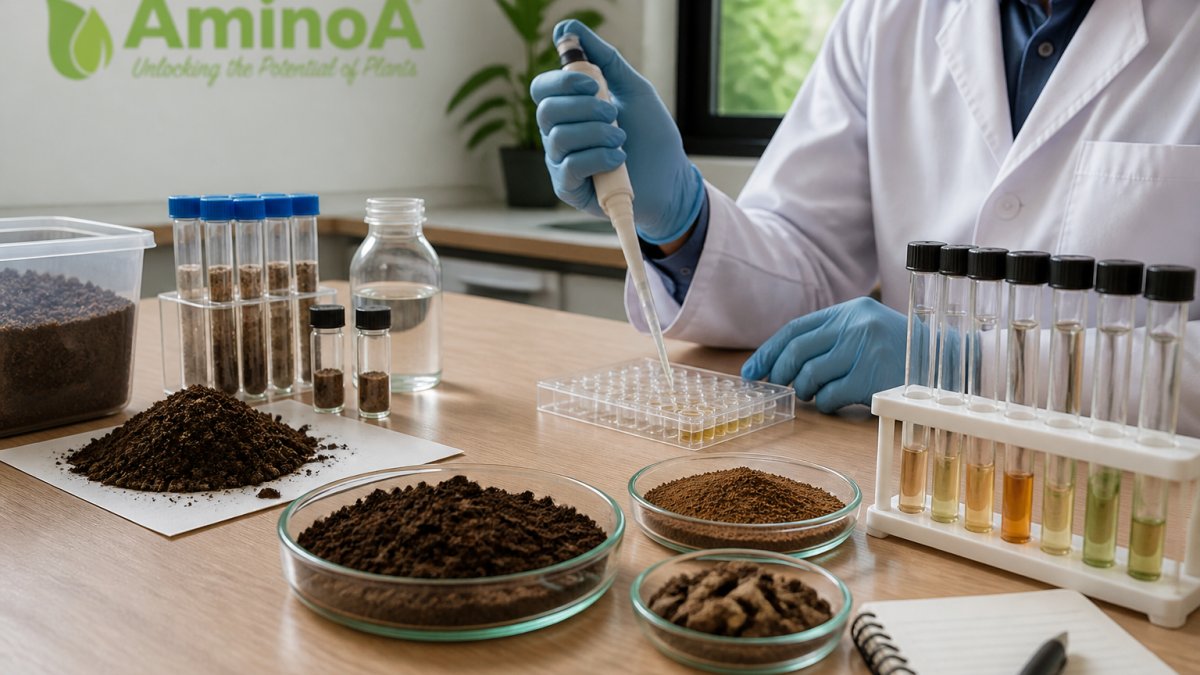
Soil testing for nitrogen management tells you what's actually happening in your soil. Without it, you're making decisions blind.
Run these tests before and after your transition:
| Test Type | What It Shows | Timing |
|---|---|---|
| Organic matter (%) | Soil health and nutrient cycling capacity | Annually, autumn |
| Available nitrogen (mg/kg) | Nitrogen ready for crop uptake | Spring, before planting |
| Microbial biomass | Soil biological activity | Annually |
| pH and nutrient balance | Nutrient availability and deficiencies | Every 2-3 years |
| Soil structure (visual assessment) | Compaction, porosity, root penetration | Annually |
Choose a laboratory that offers biological testing, not just chemical analysis. Standard NPK tests miss the microbial health that drives regenerative nitrogen management. Your local agricultural extension or independent soil testing service can recommend labs that test for biological activity.
Take soil samples from consistent locations across each field. Sample at the same depth and time of year for reliable comparison. Most labs provide detailed reports explaining what the numbers mean for your specific crops.
Implement Cover Crops and Nitrogen Management Practices
Cover crops and nitrogen management practices work together. Legume cover crops fix atmospheric nitrogen biologically, reducing your dependence on synthetic inputs. Non-legume covers protect soil structure and feed soil microbes.
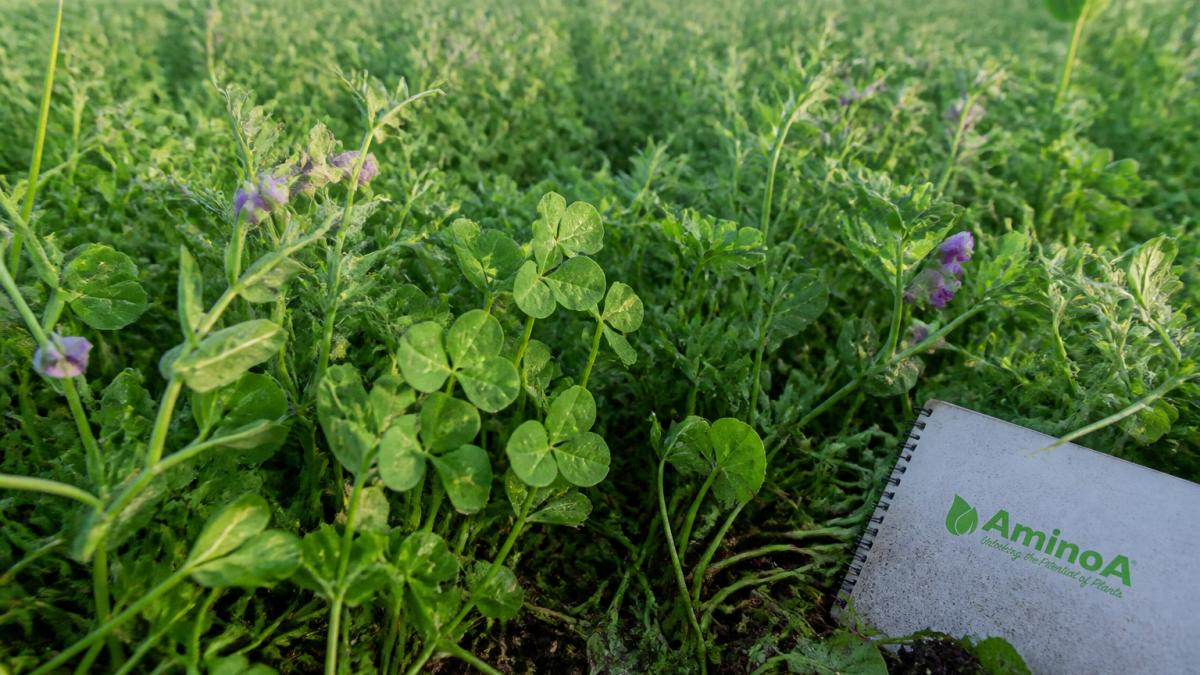
The best cover crop choice depends on your rotation and climate. In cooler regions, winter rye, hairy vetch, and clover establish well. In milder areas, you can use longer-season mixes of legumes and grasses. The goal is living roots in the soil for as many months as possible.
Implement cover crops and nitrogen management practices using this approach:
- Plant cover crops after harvest, ideally by mid-autumn
- Use legume mixes (clover, vetch, lucerne) to fix nitrogen naturally
- Terminate covers 4-6 weeks before spring planting to allow decomposition
- Monitor soil nitrogen availability after cover crop incorporation
- Adjust synthetic nitrogen rates downward based on soil test results
Many growers reduce synthetic nitrogen by 20-30% in the first year after adding cover crops. The reduction increases each season as soil organic matter builds and microbial populations recover.
The cost of cover crop seed and termination typically pays back within two seasons through reduced fertiliser spending. Early results show improved soil structure and better water infiltration, which translates to more resilient crops.
Optimise Nitrogen Use Efficiency in Agriculture
Nitrogen use efficiency in agriculture measures how much of the nitrogen you apply actually gets used by the crop versus lost to the environment. Improving this efficiency is central to regenerative nitrogen management. Minimising these losses requires a shift toward systems that recycle nutrients within the farm boundary, a core principle of closed loop agriculture that transforms waste streams into valuable inputs.
Most conventional systems lose 30-50% of applied nitrogen through leaching, denitrification, or volatilisation. Regenerative approaches reduce these losses significantly.
Optimise nitrogen use efficiency in agriculture by:
- Splitting nitrogen applications (apply smaller amounts more frequently)
- Timing applications to crop growth stages, not calendar dates
- Using soil testing to confirm nitrogen availability before each application
- Matching application rate to realistic yield potential for each field
- Monitoring weather conditions, avoid applying before heavy rain when loss is high
- Using foliar applications for minor nutrients alongside nitrogen
Precision timing matters more than total amount. A crop can only use nitrogen when its root system is actively growing and demanding it. Applying all nitrogen at once wastes what the plant can't uptake immediately.
Soil microbes and organic matter act as a nitrogen buffer in regenerative systems. When you build soil biology, nitrogen becomes available more gradually and consistently throughout the season, matching crop demand more closely.
Integrate Biostimulants to Support Your Transition
Biostimulants accelerate your transition to regenerative nitrogen management by supporting root development and stress resistance during the changeover period. They're particularly useful in years 1-2 when soil biology is still recovering.
Natural biostimulants like amino acids stimulate root growth, which helps crops access nitrogen more efficiently from recovering soils. They also improve stress tolerance, important when you're reducing synthetic inputs and relying more on soil-based nutrition.
Amino acid biostimulants work best when combined with cover crops and soil testing. The amino acids support root development whilst the cover crops rebuild soil nitrogen cycling. Together, they accelerate the transition to regenerative nitrogen management.
Integrate biostimulants by:
- Applying in spring as crops enter active growth
- Using alongside reduced nitrogen rates to maintain yield
- Combining with cover crop residues for synergistic effect
- Monitoring crop response to refine timing and rates
- Continuing for 2-3 seasons, then reassessing as soil health improves
Biostimulants are not a replacement for good nitrogen management, they're a support tool during transition. Once your soil organic matter reaches 3-4% and microbial activity is strong, you may reduce or stop biostimulant use as soil biology takes over the work.
Monitor Progress and Adjust Your Approach
Monitoring progress tells you whether your regenerative nitrogen management transition is working or needs adjustment. Without regular checks, you'll miss early warning signs and miss opportunities to improve.
Track these metrics:
- Soil organic matter (annually)
- Crop yield and quality (each harvest)
- Nitrogen application rates (each season)
- Soil nitrogen availability (spring and mid-season)
- Disease and pest pressure (throughout season)
- Input costs (annually)
Most farms see yield dips in year 1 of transition, typically 5-10%. This is normal as soil biology adjusts. Year 2 usually shows recovery to baseline or better. By year 3, yield often exceeds pre-transition levels as soil health compounds.
If yields drop more than 10% or stay low into year 2, adjust your approach. You may need:
- Higher cover crop biomass to provide more nitrogen
- Additional biostimulant support in spring
- Slightly higher nitrogen rates whilst soil biology recovers
- Better timing of nitrogen applications
- Different cover crop species for your specific soil type
Review results with your agronomist each season. Soil testing data is your guide, it shows whether biological activity is increasing and whether your nitrogen management adjustments are working.
Frequently Asked Questions
How long does it take to transition to regenerative nitrogen management?
Transition typically takes 2-3 years to establish measurable improvements in soil nitrogen cycling and reduce reliance on synthetic inputs. Year one focuses on baseline assessment and cover crop establishment. Year two shows improved soil structure and biological activity. By year three, most farms report stabilised yields with reduced fertiliser applications. Results vary by soil type, climate, and management intensity. Early adopters often see benefits within 12 months through better root development and stress resilience when using biostimulants alongside regenerative practices.
Can I reduce synthetic nitrogen fertiliser without reducing yields during regenerative nitrogen management?
Yes, but it requires a strategic, phased approach. Velcourt trials demonstrated that reducing fungicide rates whilst maintaining yields is possible with the right nitrogen management plan for farms. The key is combining multiple practices: cover crops for biological nitrogen fixation, soil testing to avoid over-application, and biostimulants to enhance nutrient uptake efficiency. Most farms reduce synthetic nitrogen by 20-40% in year two without yield loss. Success depends on matching reduction rates to your soil's biological nitrogen supply and crop demand.
What role do legumes play in regenerative nitrogen management?
Legumes are fundamental to regenerative nitrogen management because they form symbiotic relationships with rhizobia bacteria, fixing atmospheric nitrogen into soil-available forms. Planting legume cover crops such as clover, vetch, or lucerne between cash crops adds 50-150 kg/ha of nitrogen annually, depending on species and growing conditions. This reduces your need for synthetic fertiliser whilst improving soil structure and biological activity. Legumes also increase organic matter and provide a natural, cost-effective nitrogen source aligned with regenerative principles.
How do I know if my soil has enough nitrogen for my crop without soil testing?
You cannot reliably determine soil nitrogen status without testing. Visual crop symptoms such as yellowing leaves or stunted growth appear only when deficiency is severe, making them unreliable indicators for preventive management. Soil testing for nitrogen management provides quantifiable data on mineral nitrogen (nitrate and ammonium), organic matter content, and biological activity, all critical for making informed fertiliser decisions. Testing typically pays for itself through avoided over-application or prevented yield loss.
Transitioning to regenerative nitrogen management requires patience, measurement, and willingness to adjust. The payoff, healthier soil, lower input costs, and more resilient crops, justifies the effort. Start with soil testing and cover crops, monitor progress carefully, and use tools like amino acid biostimulants from AminoA to support root development during the transition. Most growers see measurable improvements in soil health within two years and yield stability within three.