 how-to
Using Cover Crops to Fix Nitrogen in Farming
Table of Contents
- How Nitrogen-Fixing Cover Crops Work
- Selecting the Right Cover Crop Varieties
- Cover Crop Sowing and Termination Timing
- Calculating Nitrogen Contribution from Cover Crops
- Management and Establishment Best Practices
- Common Challenges and How to Overcome Them
- Frequently Asked Questions
Last Updated: October 10, 2026
How Nitrogen-Fixing Cover Crops Work
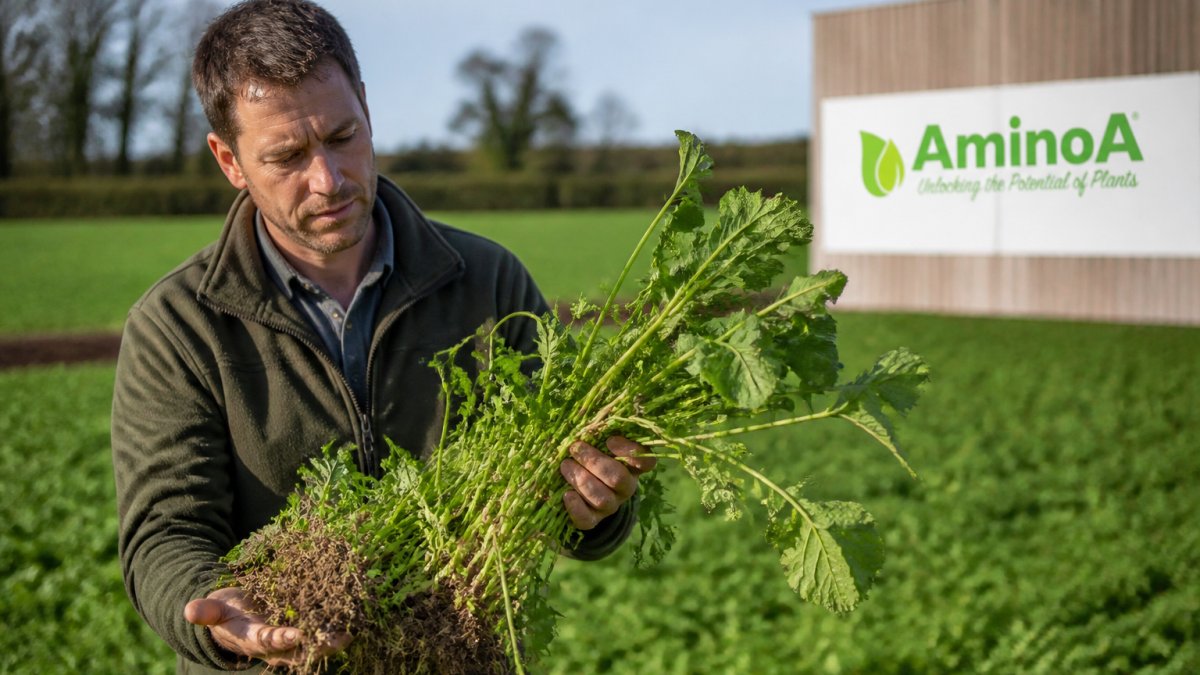
Cover crops fix nitrogen by capturing atmospheric nitrogen and converting it into forms that soil bacteria and your crops can use. This process happens through a symbiotic relationship between the plant roots and beneficial microorganisms called rhizobia. The bacteria live in small nodules on the roots and do the chemical work of converting nitrogen gas into ammonia, which the plant absorbs. When you terminate the cover crop and incorporate it into the soil, that stored nitrogen becomes available to your next cash crop.
The key advantage is that you're building soil fertility without synthetic inputs. Legume cover crops like clover, vetch, and alfalfa are the most effective nitrogen fixers. They can add significant nitrogen to your soil over a single growing season, reducing your reliance on manufactured fertilisers. This approach fits well within regenerative farming systems and helps lower input costs over time.
Understanding how nitrogen-fixing cover crops work is essential before choosing which variety to grow. The process isn't instant, it depends on soil temperature, moisture, and the health of the microbial population. Getting these conditions right determines how much nitrogen your cover crop actually contributes to the next season's yield.
Selecting the Right Cover Crop Varieties
Different legume species perform better under different soil and climate conditions across the UK. Your choice depends on your rotation, available sowing time, and expected termination date.
Clover varieties (white clover, red clover, and crimson clover) are hardy and establish quickly. Red clover fixes large amounts of nitrogen but requires a full season to reach peak performance. Crimson clover works well for short-term covers and winter termination. White clover is persistent and suits longer rotations.
Vetch species (hairy vetch and common vetch) tolerate poor soil conditions and grow well in cooler regions. Hairy vetch is particularly winter-hardy and survives in exposed locations. It produces substantial biomass and nitrogen contribution but can be difficult to terminate if not managed properly.
Alfalfa (lucerne) fixes more nitrogen per unit of biomass than most other legumes, but requires deeper, well-drained soils and a longer establishment period. It's best suited to farms with space for multi-year stands.
Lupins are less common but valuable in acidic soils where other legumes struggle. They establish quickly and contribute meaningful nitrogen, though they're more expensive to purchase as seed.
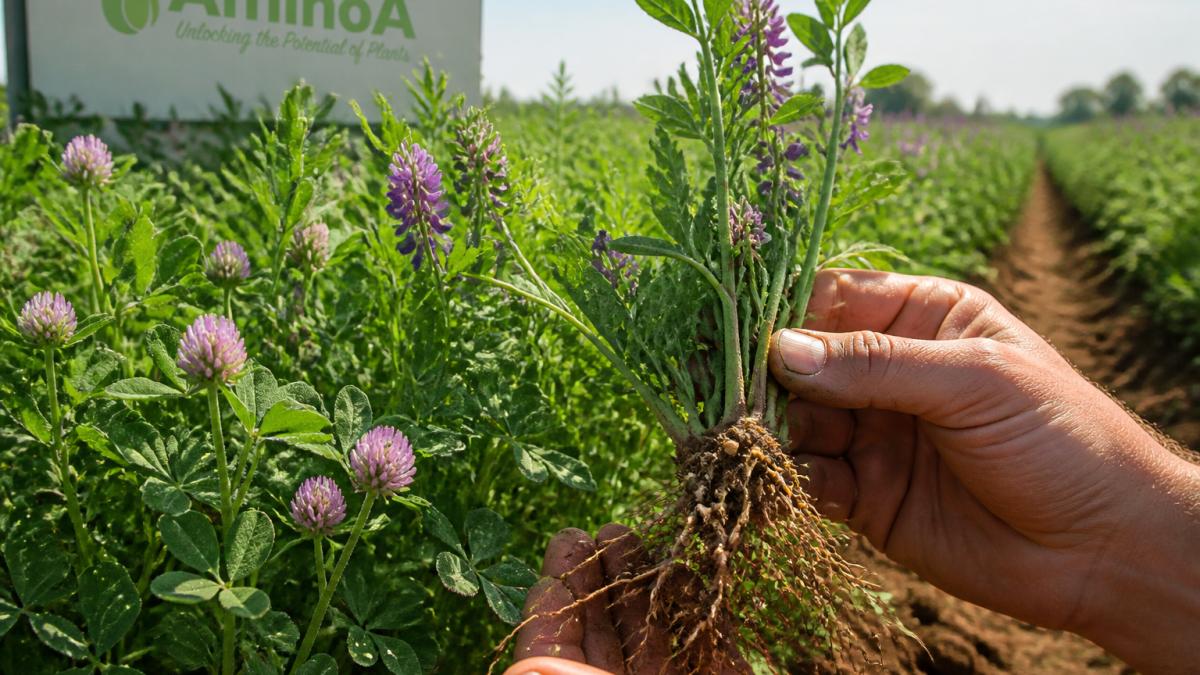
Choose your cover crop based on these factors:
- Soil pH and drainage conditions
- Available sowing window (spring or autumn)
- Planned termination date and method
- Nitrogen requirement of your following crop
- Tolerance to your local climate and rainfall
Many growers use cover crop mixtures rather than single species. A blend of clover and vetch, for example, spreads the nitrogen fixation across different root depths and extends the active growing period. Mixing species also hedges against poor establishment of any one variety.
Cover Crop Sowing and Termination Timing
The timing of sowing and termination directly determines how much nitrogen your cover crop fixes. A cover crop needs sufficient growing time to establish a strong root system and accumulate biomass. Sowing too late or terminating too early cuts the nitrogen contribution significantly.
For autumn-sown cover crops, aim to sow by late August or early September. This gives the plants 8-12 weeks to establish before winter dormancy. Early establishment means stronger root systems and better survival through winter. Spring-sown covers need sowing by late March or April to maximise growing time before summer termination.
Termination timing is equally critical. Most growers terminate in late spring (April-May) before planting their cash crop. Terminating too early wastes the nitrogen fixation happening in those final weeks. Terminating too late delays cash crop planting and risks incomplete decomposition of cover crop biomass.
The nitrogen that cover crops fix is released over 4-8 weeks as soil microbes break down the plant material. Plan your cash crop sowing to align with peak nitrogen availability, typically 3-4 weeks after mechanical or chemical termination.
Consider these timing benchmarks:
- Autumn sow: Late August-September
- Winter growing period: October-March
- Spring termination: April-May
- Cash crop sowing: May-June
Some growers use cover crops for shorter periods, 6-8 weeks in spring or autumn, for quick nitrogen boosts. These shorter windows work if you're targeting specific soil gaps rather than building long-term fertility.
Calculating Nitrogen Contribution from Cover Crops
Estimating how much nitrogen your cover crop will contribute helps you adjust your manufactured fertiliser application and plan your rotation more accurately. The amount varies based on cover crop species, biomass produced, growing season length, and soil conditions.
Legume cover crops typically contribute between 50-200 kg of nitrogen per hectare, depending on the factors above. Red clover and alfalfa are at the high end of that range; white clover and short-term vetch covers at the lower end. A well-established, full-season red clover stand might contribute 150-180 kg/ha. A quick-growing crimson clover cover might deliver 50-80 kg/ha.
To estimate your own crop's contribution, measure the dry biomass at termination. A simple method is to cut a 1 m² sample, dry it completely, and weigh it. Legume biomass typically contains 2.5-4% nitrogen by dry weight. Multiply your biomass (kg/ha) by the nitrogen percentage to estimate total nitrogen in the crop. Account for a 40-60% release in the first season after termination; the remainder mineralises over subsequent years.
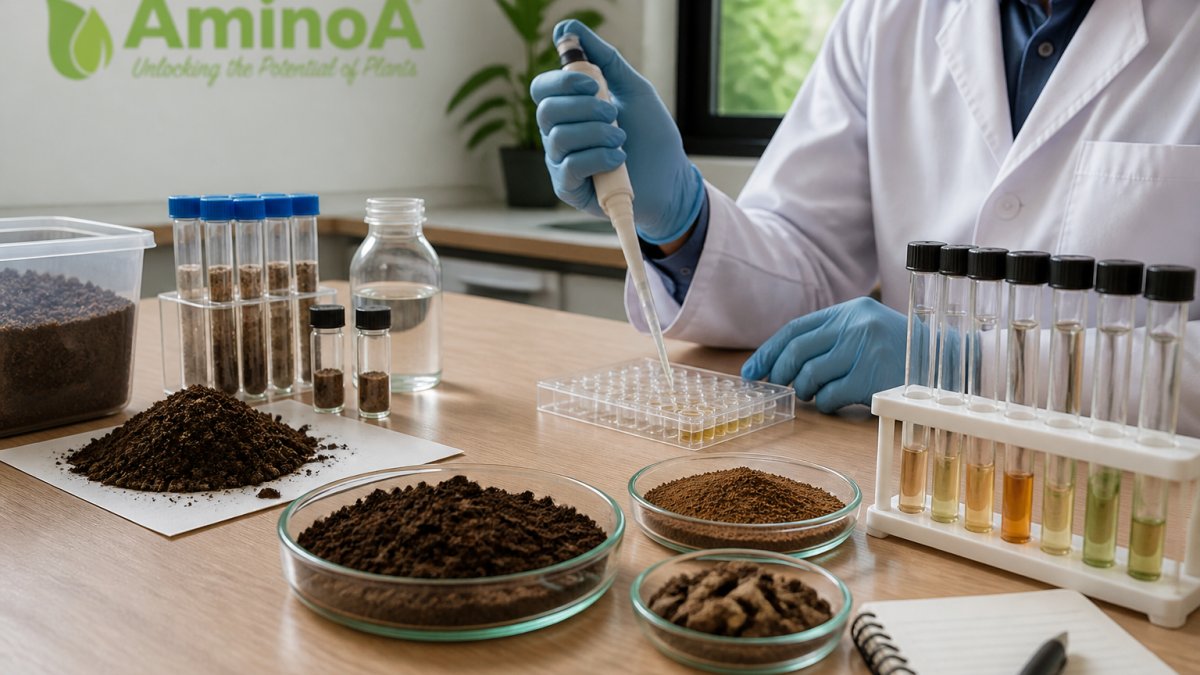
Soil testing before and after the cover crop season provides the most accurate picture. Many soil laboratories now offer nitrogen mineralisation tests that predict available nitrogen from your specific cover crop residue.
Use this framework to adjust your thinking:
- Measure or estimate dried biomass at termination
- Multiply biomass by nitrogen content (typically 3% for legumes)
- Apply a release factor (50% in year one is conservative)
- Reduce manufactured nitrogen applications accordingly
Working with a consultant or agronomist to interpret your own soil test data is often worth the investment. The nitrogen contribution from nitrogen-fixing cover crops can be substantial enough to justify reducing commercial fertiliser purchases, but only if you're calculating it accurately for your specific situation.
Management and Establishment Best Practices
Strong establishment determines whether your cover crop actually delivers the nitrogen-fixing benefits you're expecting. Poor establishment leads to thin stands, weak root development, and minimal nitrogen accumulation.
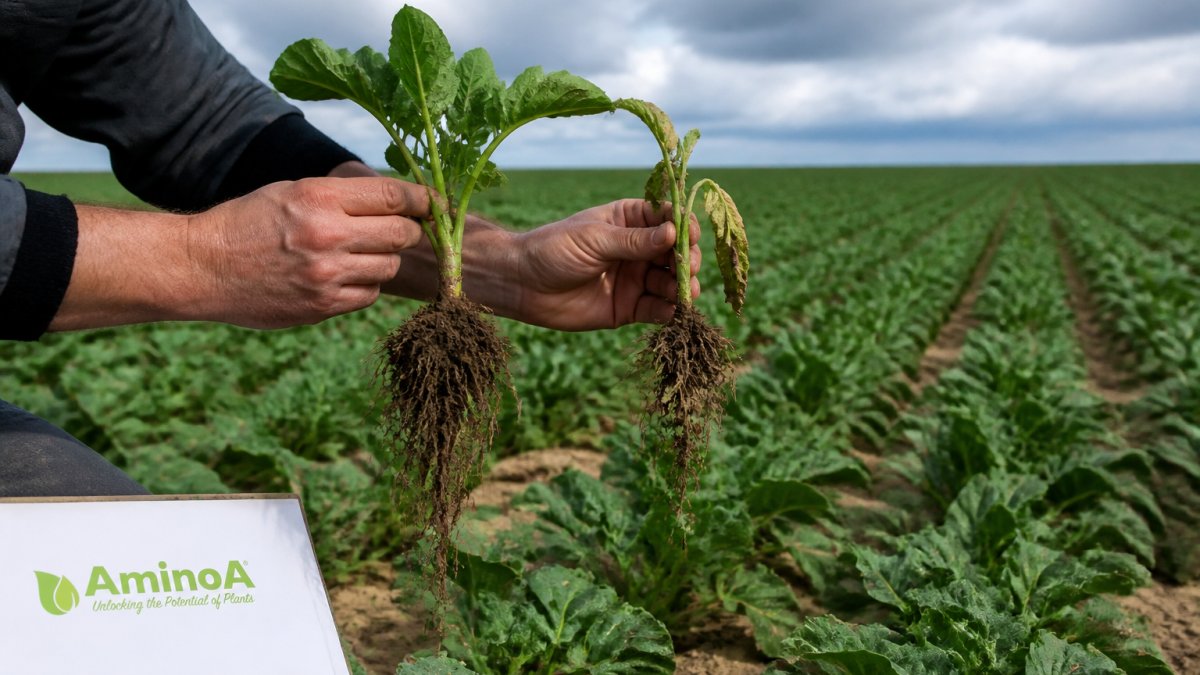
Seed bed preparation is the first step. Work the soil to a fine, firm tilth. Remove compacted layers that restrict root penetration, nitrogen-fixing bacteria need access to deep soil layers. Roll or press the seedbed to ensure good seed-to-soil contact.
Sowing rates vary by species and sowing method. Broadcast sowing typically requires 25-35 kg/ha for clover and 40-60 kg/ha for vetch. Direct drilling into stubble requires slightly higher rates to account for poor contact. Follow the seed supplier's recommendations for your chosen variety.
Moisture and temperature are critical during the first 4-6 weeks. Autumn-sown crops need adequate rainfall to germinate and establish. If autumn is dry, irrigate if possible. Spring-sown covers need consistent moisture through April and May. Soil temperature below 10°C slows germination and early growth significantly.
Weed control in the establishment phase protects your cover crop investment. A competitive weed population can suppress legume growth and reduce biomass. Light cultivation or selective herbicide application in the first 6-8 weeks pays dividends later. Avoid broad-spectrum herbicides that harm legumes; use species-specific options if needed.
Pest and disease monitoring prevents unexpected losses. Clover root rot, vetch rust, and flea beetle damage can occur but are rarely severe enough to justify treatment. However, monitoring your crop means you catch problems early if they do develop.
Incorporate these practices into your management plan:
- Prepare a firm, fine seedbed free of compacted layers
- Match sowing rate to your species and method
- Ensure adequate moisture during establishment
- Scout for weeds in weeks 3-8 and control competitively
- Monitor for pests but avoid routine spraying
Many farmers underestimate the value of good establishment. A thin, weak cover crop stand contributes far less nitrogen and organic matter than a dense, vigorous one. Investing time and resources in the first 6-8 weeks pays back substantially over the season.
At AminoA, our amino acid products complement nitrogen-fixing cover crops by supporting root development and stress resilience during the establishment phase. Combining both approaches, cover crop nitrogen plus biostimulant support, creates a synergistic effect on soil biology and crop performance.
Common Challenges and How to Overcome Them
Even well-planned cover crop systems face obstacles. Understanding common problems and their solutions helps you troubleshoot quickly and protect your investment.
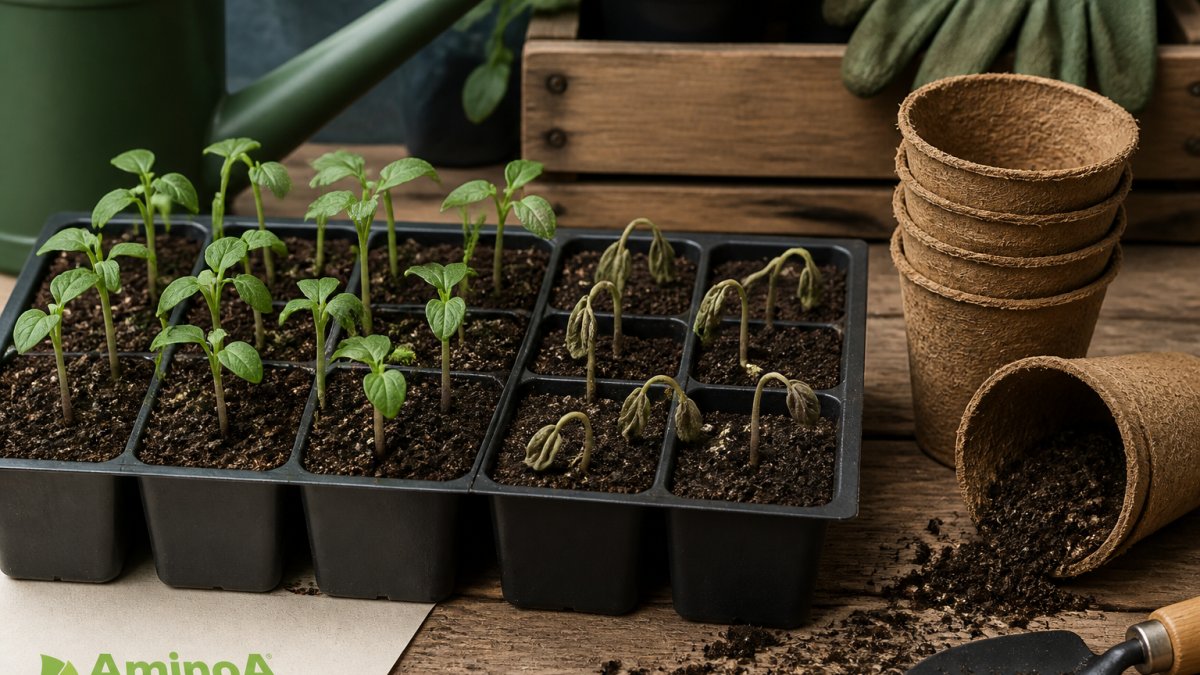
Slow establishment is the most frequent complaint. Cold, wet soils or poor seedbed contact cause weak germination. Remedy this by ensuring firm seedbed contact and sowing into adequate moisture. Spring-sown covers particularly benefit from soil warming before sowing, wait until soil temperature reaches 10°C consistently.
Winter kill of autumn-sown covers happens in harsh years. Hairy vetch and clover are generally hardy, but extreme cold or waterlogging can damage them. Choose hardy varieties suited to your region. If winter kill occurs, plan to resow in spring or accept the reduced nitrogen contribution and adjust fertiliser accordingly.
Difficult termination is common with vetch and alfalfa, which regrow vigorously after cutting. Mechanical termination (ploughing) is reliable but costly. Chemical termination with glyphosate works well if timed correctly, apply when plants are actively growing, not stressed.
Nitrogen immobilisation can occur if you terminate a very high-biomass cover crop and immediately plant a crop with high nitrogen demand. The soil microbes decomposing the cover crop temporarily tie up available nitrogen. Offset this by terminating 4-6 weeks before planting, allowing decomposition to progress before your cash crop needs nitrogen uptake.
Volunteer cover crop plants appearing in your cash crop are annoying but manageable. Choose cover crop species that won't survive your normal weed control programme. Adjust your herbicide strategy if needed, or accept light volunteer populations if they're not competitive.
Common solutions at a glance:
- Slow establishment: Improve seedbed, check soil temperature, sow into moisture
- Winter kill: Choose hardy varieties, plan backup nitrogen source
- Difficult termination: Use mechanical + chemical combination, time applications correctly
- Nitrogen immobilisation: Terminate earlier, allow 4-6 weeks before cash crop sowing
- Volunteers: Select cover crops compatible with your weed control, adjust spray timing if needed
The most successful growers treat cover crop failures as learning opportunities. Track what went wrong and adjust next season. A cover crop that underperforms one year often succeeds the next with small management changes.
Using cover crops to fix nitrogen is a proven strategy for building soil fertility and reducing synthetic fertiliser dependence. The process works best when you match the right cover crop variety to your soil and climate, establish it properly, and terminate it at the right time to maximise nitrogen release.
The real value emerges when you integrate cover crops with a broader soil health strategy. At AminoA, our amino acid biostimulants can support growers combining nitrogen-fixing cover crops with our products to accelerate root development and stress resistance.
Subscribe to our Newsletter for practical guidance on cover crop management, soil health strategies, and sustainable farming techniques tailored to UK conditions.
Frequently Asked Questions
Which cover crops fix nitrogen most effectively?
Legume cover crops are the most effective nitrogen fixers. Clover, vetch, peas, and beans establish symbiotic relationships with rhizobium bacteria in root nodules, converting atmospheric nitrogen into plant-available forms. Winter varieties like hairy vetch and crimson clover suit most rotations, whilst spring-sown options like field beans offer flexibility. Selecting the right species depends on your sowing window, soil type, and climate zone.
Do nitrogen-fixing cover crops need inoculant to work?
Most legume cover crops benefit from inoculant, especially if rhizobium bacteria are absent in your soil. First-time legume growers or farmers new to cover cropping should consider inoculation to ensure reliable nodulation and nitrogen fixation. Inoculants are particularly important on soils with no recent legume history. Established fields with previous legume crops often have naturally present rhizobia, reducing the need for additional inoculant.
Can I rely entirely on cover crops to replace synthetic nitrogen fertiliser?
Cover crops can significantly reduce synthetic nitrogen requirements, but complete replacement depends on crop demand, species selected, and management. Most rotations benefit from combining nitrogen-fixing cover crops with modest synthetic inputs tailored to crop needs. Your agronomist can help estimate nitrogen supply from cover crops and adjust fertiliser rates accordingly. This approach typically improves soil health whilst maintaining yield stability.