 ultimate-guide
Soil pH and Rhizosphere Health: A Grower's Guide
Table of Contents
- How Soil pH Shapes Rhizosphere Health and Crop Performance
- Nutrient Bioavailability in Rhizosphere: The pH Effect
- Rhizosphere Microbial Community Structure and pH Tolerance
- The Ideal pH Range for Root Zone Function
- Biostimulants for Root Zone Health Across pH Conditions
- Signs of Poor Rhizosphere Health and pH-Related Stress
- Managing Soil pH to Protect Rhizosphere Health Long-Term
- Frequently Asked Questions
Last Updated: September 28, 2026
How Soil pH Shapes Rhizosphere Health and Crop Performance
Soil pH fundamentally determines what happens in the rhizosphere, the narrow zone of soil surrounding plant roots where most biological activity occurs, making soil pH rhizosphere health essential to crop performance. When pH drifts outside the optimal range, nutrient availability collapses, microbial communities fragment, and root development stalls.
The rhizosphere operates as a living ecosystem. Roots exude organic acids and sugars that attract billions of microorganisms, which break down minerals and make them available to the plant. This ecosystem only functions within specific pH boundaries.
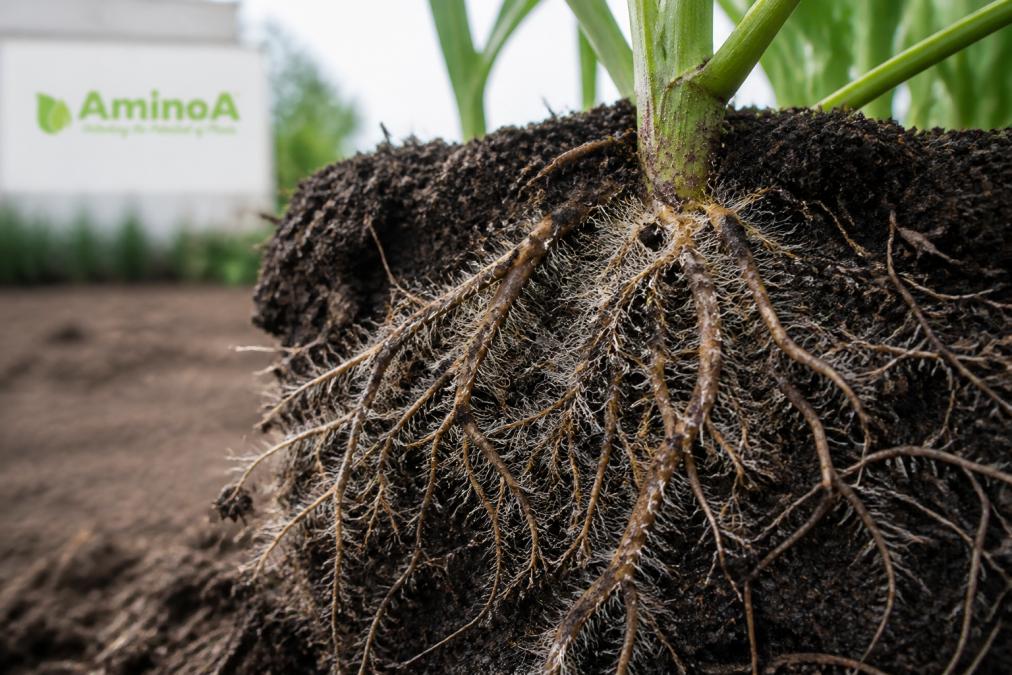
Most arable soils in the UK range from pH 5.5 to 7.5, but the optimal range for maximum nutrient cycling and microbial activity is typically 6.0 to 7.0. Below pH 6.0, aluminium and manganese become soluble and toxic to roots. Above pH 7.5, iron, manganese, zinc, and boron become locked up, creating deficiencies even when present in the soil. Maintaining soil pH rhizosphere health depends entirely on this pH stability.
Instead of simply applying more fertiliser, you're managing the chemical environment that allows your soil biology to work. This is where biostimulants like amino acids become particularly valuable, they support root function and microbial activity across a wider pH range than conventional nutrients alone.
Nutrient Bioavailability in Rhizosphere: The pH Effect
Nutrient bioavailability in the rhizosphere is pH-dependent in ways most growers underestimate. The same nutrient can be completely available at one pH and completely locked up at another, regardless of how much you've added to the soil.
Phosphorus illustrates this perfectly. At pH below 6.0, phosphorus binds to iron and aluminium oxides and becomes unavailable. At pH above 7.5, it precipitates as calcium phosphate. The narrow window where phosphorus moves freely through the rhizosphere is pH 6.5 to 7.0. Nitrogen availability peaks across a wider range, but it's still significantly reduced outside pH 6.0 to 7.5. Potassium, calcium, and magnesium follow similar patterns.
This explains why a soil test showing adequate nutrient levels doesn't guarantee good crop performance. The nutrients may be present but inaccessible because pH is wrong. Correcting pH often unlocks nutrient availability immediately, without adding anything else.
Micronutrients, iron, manganese, zinc, copper, boron, molybdenum, are even more sensitive to pH. Iron availability drops dramatically above pH 7.5; manganese becomes toxic below pH 5.5. These elements are critical for enzyme function, photosynthesis, and disease resistance, but they're only available in narrow pH windows.
Amino acids improve nutrient bioavailability through multiple mechanisms. They chelate micronutrients, keeping them in forms roots can absorb across a wider pH range. They also stimulate root exudation, which acidifies the rhizosphere locally and increases nutrient solubility around the root surface. This is why growers using amino acid biostimulants often see improvements in plant nutrition even when soil pH is suboptimal.
Rhizosphere Microbial Community Structure and pH Tolerance
The rhizosphere microbial community structure changes dramatically with pH, determining how efficiently your soil cycles nutrients and defends against pathogens.
Bacterial communities dominate in neutral to slightly alkaline soils. Fungi dominate in acidic soils. This is a survival response, bacteria prefer higher pH; fungi tolerate and thrive in acidic conditions. When pH swings, the microbial balance shifts, and the functions those microbes provide shift with it.
In neutral soils (pH 6.5 to 7.5), you get a mixed bacterial-fungal community. Bacteria are efficient at breaking down organic matter and releasing nitrogen through mineralisation. Mycorrhizal fungi form strong associations with roots, extending the root system's reach and improving phosphorus uptake. This balance delivers both rapid nutrient cycling and long-term soil structure improvement. Maintaining this equilibrium requires careful management of soil moisture, as waterlogged conditions can inhibit these beneficial organisms, making improving soil drainage a critical step in preserving the integrity of the rhizosphere.
Acidic soils (pH below 6.0) shift toward fungal dominance. Fungi excel at breaking down complex organic matter and thriving in acidic conditions, but they mineralise nitrogen more slowly than bacteria. Very acidic soils (pH below 5.5) see a collapse in bacterial diversity, reducing soil resilience.
Alkaline soils (pH above 7.5) suppress fungal activity and favour bacteria, but the available bacteria are often less diverse. Nutrient cycling becomes faster but less stable, and micronutrient availability crashes.
pH stability matters more than hitting a single ideal pH. Microbial communities can adapt to consistent conditions but cannot adapt to rapid swings. A soil that holds steady at pH 6.5 will develop a strong, diverse community.
Amino acids support microbial community stability by providing a consistent energy source for soil microorganisms, encouraging diversity and activity across the pH range your soil occupies.
The Ideal pH Range for Root Zone Function
The ideal pH range for most field crops in the UK is pH 6.0 to 7.0, with 6.5 as the target for maximum flexibility and function.
At pH 6.5, you get the best balance of nutrient availability across the full spectrum. Macronutrients (nitrogen, phosphorus, potassium, calcium, magnesium) are all available. Micronutrients (iron, manganese, zinc, copper, boron, molybdenum) are accessible without becoming toxic. The rhizosphere microbial community is diverse and active. Root development proceeds without chemical stress.
Different crops have slightly different optima. Wheat and barley tolerate pH down to 5.8 but prefer 6.5 to 7.0. Potatoes prefer slightly acidic conditions, around pH 6.0, to reduce scab disease risk. Brassicas and legumes prefer pH 6.5 to 7.0. Horticultural crops like strawberries and tomatoes typically want pH 6.0 to 6.8.
Maintaining pH within this range requires regular monitoring and amendment. Most UK soils drift acidic over time due to nitrogen fertiliser use, leaching, and organic matter decomposition (Soil acidification during more than 100 years under permanent grassland and woodland at...). Lime application raises pH; sulphur lowers it. Building soil organic matter through compost, cover crops, and reduced tillage stabilises pH naturally and improves rhizosphere function.
Biostimulants for Root Zone Health Across pH Conditions
Biostimulants designed for root zone health work by supporting plant physiology and rhizosphere biology, making them effective tools for managing pH variability.
Amino acid biostimulants are particularly valuable because they address multiple constraints simultaneously. They provide nitrogen in a form that roots can absorb directly, bypassing the need for microbial mineralisation, which is important when the rhizosphere microbial community is pH-stressed. They stimulate root hair formation and lateral root development, expanding the root system's access to water and nutrients. They chelate micronutrients, keeping them available across a broader pH range than inorganic nutrients alone.
We formulate products with the full spectrum of essential L-α amino acids because root development and stress tolerance depend on all of them. Leucine and isoleucine drive root cell division. Methionine supports stress responses. Glutamic acid and aspartic acid are primary nitrogen sources for root growth. Tryptophan influences auxin production, which controls root architecture.
Apply biostimulants at key stress windows, establishment, tillering, flowering, when root development and nutrient demand peak. In acidic soils (pH below 6.0), amino acid biostimulants are especially valuable because they reduce the plant's dependence on microbial mineralisation, which is slow in acidic conditions. In alkaline soils (pH above 7.5), they chelate micronutrients and support root function despite reduced nutrient availability.
Signs of Poor Rhizosphere Health and pH-Related Stress
Poor rhizosphere health and pH-related stress show up in predictable ways. Learning to recognise them early allows you to intervene before yield is lost.
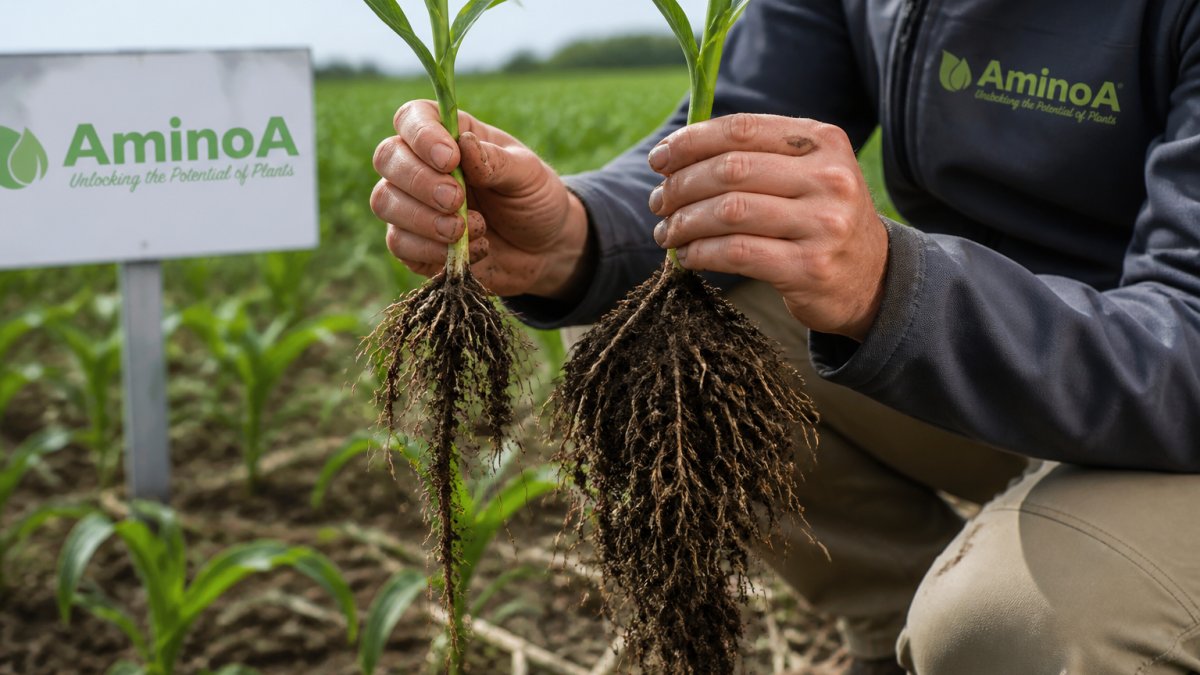
Stunted root development is the first sign. Healthy roots are white or cream-coloured and extend deep into the soil. Roots that are brown, purple, or stunted are responding to chemical stress, typically low pH with aluminium or manganese toxicity, or high pH with micronutrient deficiency.
Leaf symptoms follow. Nitrogen deficiency appears as pale green or yellow lower leaves. Iron deficiency shows as yellowing between the veins on new growth. Zinc deficiency causes mottled or striped leaves. These symptoms often appear even when soil tests show adequate nutrient levels, because pH is preventing nutrient uptake.
Poor crop vigour, slow establishment, and increased disease pressure are common. Weak roots cannot defend themselves effectively, and pH-stressed plants have reduced capacity to produce defence compounds.
The solution is to address pH first, then support root recovery with biostimulants. Correcting pH without supporting root development is slow. Supporting roots with biostimulants in poor pH conditions is inefficient. Doing both delivers the fastest turnaround.
Managing Soil pH to Protect Rhizosphere Health Long-Term
Long-term rhizosphere health depends on managing soil pH proactively, not reactively.
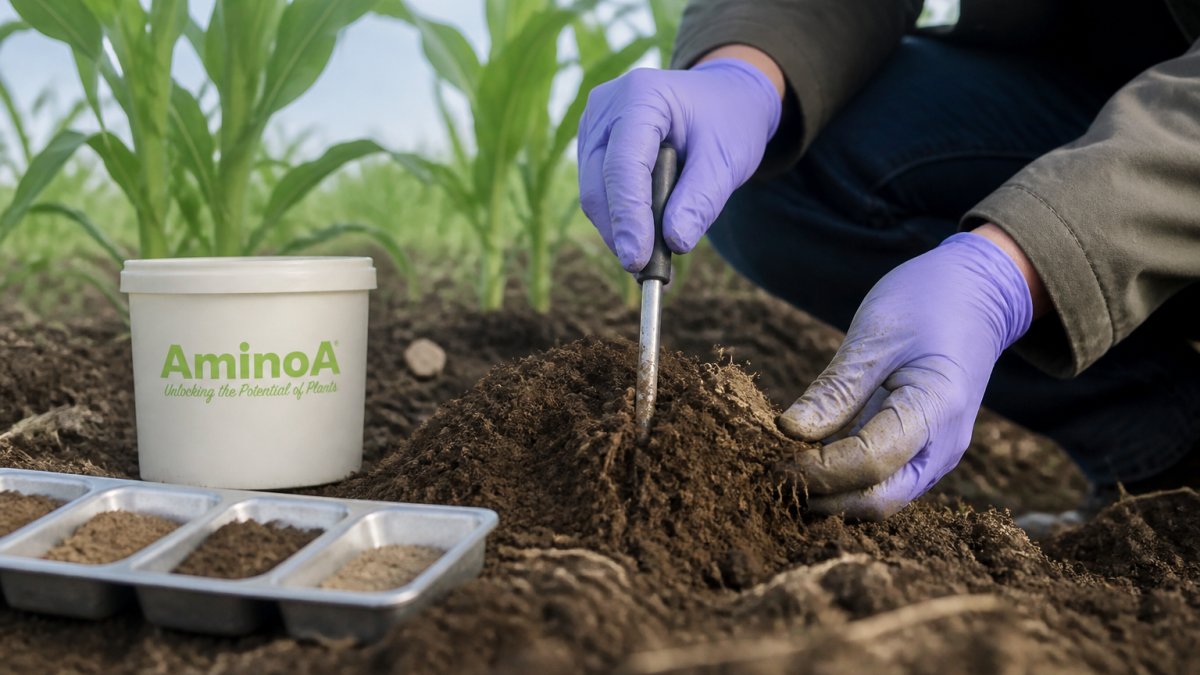
Start with soil testing. A proper soil test should include pH, ideally measured in both water and calcium chloride (CaCl₂). Water pH is higher and less stable; CaCl₂ pH is lower and more representative of the active soil pH where roots live. Test every 3 to 5 years, or annually if you're actively managing pH.
Frequently Asked Questions
How does soil pH affect nutrient availability in the rhizosphere?
Soil pH controls whether nutrients exist in forms roots can absorb. In acidic soils (below pH 6), iron, manganese, and aluminium become overly soluble and can damage roots, whilst phosphorus and potassium lock up. In alkaline soils (above pH 7.5), iron, zinc, and manganese become unavailable despite being present. The rhizosphere operates best between pH 6.0 and 7.0 for most crops, where essential nutrients remain accessible to root uptake and microbial activity.
What is the ideal soil pH range for microbial activity in the root zone?
Most beneficial soil microorganisms thrive between pH 6.0 and 7.5, with peak activity around pH 6.5. Bacteria and mycorrhizal fungi that form symbiotic relationships with roots are sensitive to extreme pH. Below pH 5.5, microbial diversity declines sharply, reducing nutrient cycling and disease suppression. Above pH 8.0, many beneficial microbes become dormant. Maintaining pH within the optimal range directly supports the microbial communities that sustain rhizosphere health.
Can rhizosphere processes actively change local soil pH?
Yes. Roots and microorganisms actively modify pH in the immediate root zone. Roots release organic acids and hydrogen ions that lower pH slightly, whilst microbial decomposition of organic matter produces organic acids. Conversely, some microbes and plant uptake patterns can raise pH locally. This dynamic pH adjustment means the bulk soil pH may differ from the actual rhizosphere environment, which is why monitoring root zone conditions separately from whole-soil tests matters for accurate management.
How do amino acid biostimulants support rhizosphere health in varying pH conditions?
Amino acids like those in AminoA products enhance root development and stress tolerance regardless of pH extremes, helping roots function better even in suboptimal conditions. They improve nutrient uptake efficiency, reducing the plant's dependence on perfect pH conditions. Additionally, amino acids feed beneficial microorganisms, promoting microbial activity and organic matter cycling across a wider pH range. This resilience is particularly valuable when managing soils with historical pH imbalance or during seasonal pH fluctuations.