 ultimate-guide
Good Agricultural Practice: A 2026 Grower's Guide
Table of Contents
- What Good Agricultural Practice Actually Means for Commercial Growers
- How Good Agricultural Practice Improves Soil Health
- Reducing Synthetic Inputs in Agriculture Without Losing Yield
- L-α Amino Acid Biostimulants Benefits in a GAP Programme
- Organic Soil Conditioners Review for Commercial Farms: What to Check
- Meeting Environmental Standards and Farm Assurance Requirements
- Mistakes That Undermine Good Agricultural Practice
- Frequently Asked Questions
Last Updated: September 25, 2026
What Good Agricultural Practice Actually Means for Commercial Growers
Good agricultural practice is a farm management framework that balances productive cropping with environmental protection, food safety and worker welfare. This guide from AminoA sets out what good agricultural practice looks like on a working arable or horticultural unit in 2026, and where most growers lose ground.
The concept has moved a long way from a tick-box audit. At its core, good agricultural practice means every decision, from variety choice to the last tank mix, is defensible on three fronts: it protects soil and water, it meets the assurance standards your buyers require, and it still returns a margin. Get any one of those wrong and the whole system creaks.
Below, we break down the four pillars, the soil and input decisions that matter most, and the mistakes that quietly undo good agricultural practice on otherwise well-run farms.
The Four Pillars Behind Every GAP Framework
Most assurance schemes, and the Code of Good Agricultural Practice guidance that underpins much of the regulatory baseline, rest on four pillars:
- Soil and nutrient management, maintaining organic matter, avoiding erosion and matching inputs to crop requirement
- Water protection, keeping nitrates, phosphates and pesticides out of groundwater and watercourses
- Crop and produce safety, traceability, hygiene and responsible use of plant protection products
- Welfare and record-keeping, training, storage, and the paperwork that proves all of the above
The paperwork is where good agricultural practice is most often lost. A spray record that doesn't reconcile with the store cupboard is the fastest way to fail an inspection.
How Good Agricultural Practice Improves Soil Health
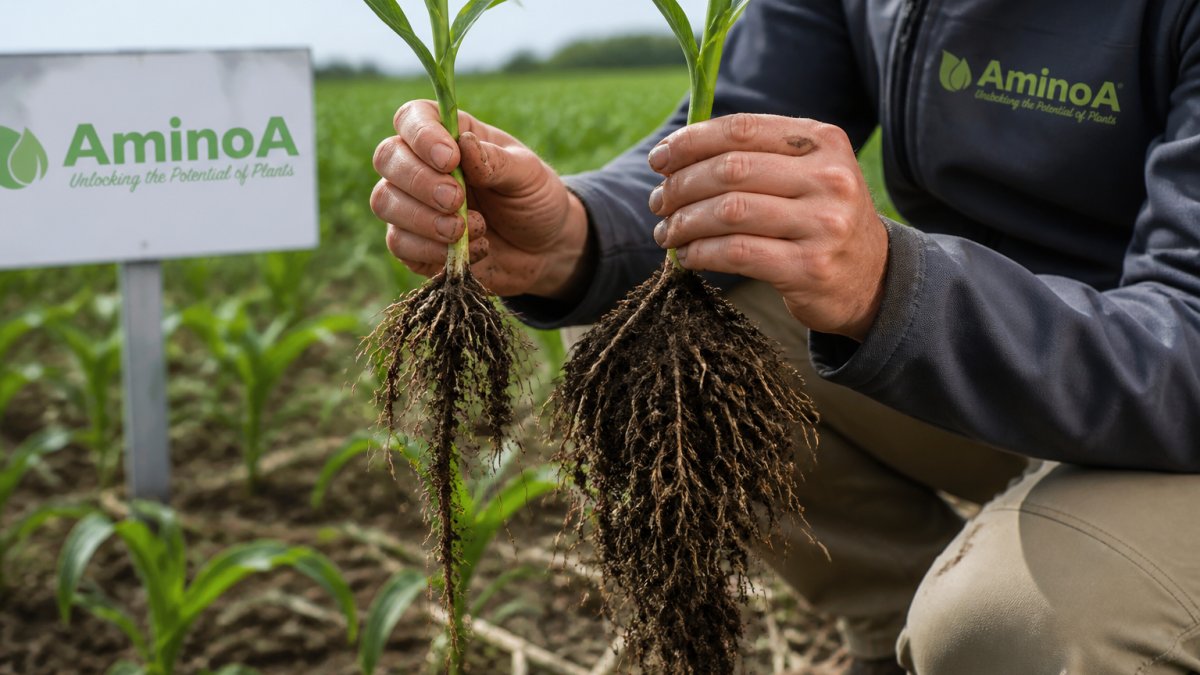
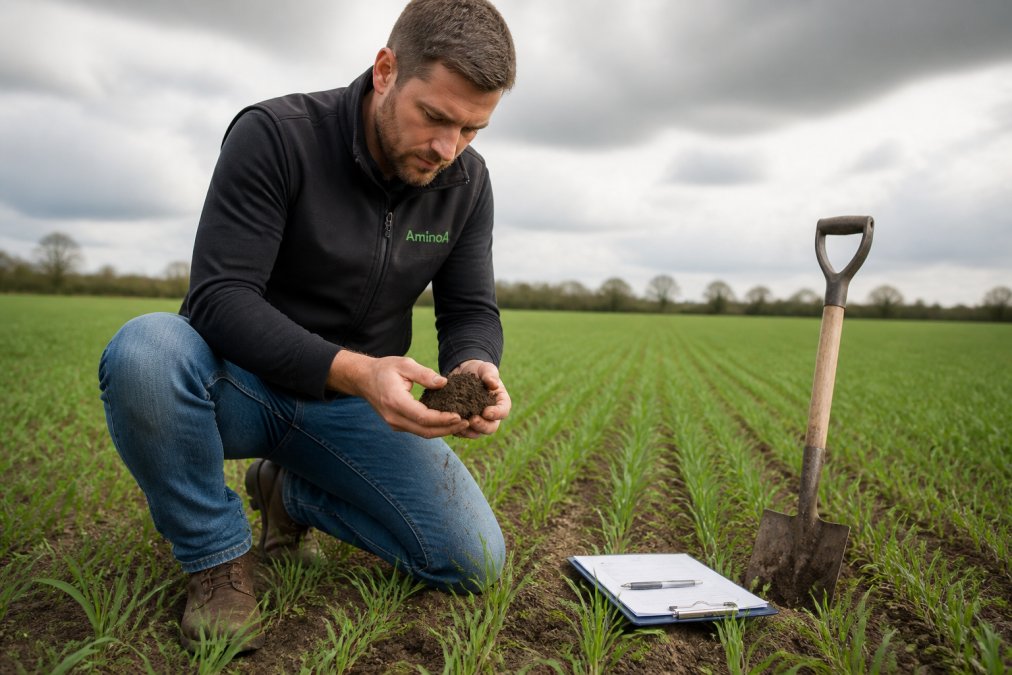
Good agricultural practice improves soil health by treating organic matter, structure and biology as the foundation of yield rather than an afterthought. In practice, that means fewer passes, more living roots in the ground, and inputs timed to what the crop can actually use.
The gains compound. Better structure improves infiltration, so rainfall soaks in rather than running off and taking topsoil with it. Healthier biology cycles nutrients more efficiently, which reduces how much bagged nitrogen you need to hit the same yield.
Organic Matter, Structure and Biology
Organic matter is the single best proxy for soil condition. A common mistake is chasing organic matter with imported compost alone while continuing to hammer the same field with deep cultivation. Structure recovers when you stop damaging it.
- Reduce cultivation depth and frequency where the rotation allows
- Keep cover crops or volunteers in the ground over winter
- Avoid working land when it is too wet, which smears and compacts
- Return straw and organic residues where practical
Test organic matter on a fixed grid every few years and track it. What most guides miss is that a single test tells you nothing; the trend across a rotation tells you everything.
Reducing Synthetic Inputs in Agriculture Without Losing Yield
Reducing synthetic inputs in agriculture works when you replace them with something that does the same job, not when you simply remove them and hope. Cutting nitrogen rates without supporting the plant's own stress tolerance is how yields fall.
A practical sequence that many growers follow:
- Fix the soil first, so nutrient cycling and rooting improve
- Move to split applications and precision placement to cut waste
- Support the crop through stress windows with a biostimulant
- Only then trim total rates, and monitor green leaf area to confirm
The Velcourt trials found that adding AminoA FLO to reduced fungicide rates maintained yields and improved green leaf area in winter wheat. That is the pattern to aim for: fewer inputs, same output, better canopy.
L-α Amino Acid Biostimulants Benefits in a GAP Programme
L-α amino acid biostimulants benefits sit in three areas: rooting and establishment, stress tolerance, and fruit or grain quality. These are the free-form amino acids a plant can take up directly, rather than the bound forms it has to break down first.
AminoA manufactures 100% L-α amino acids through enzymatic hydrolysis, with a high content of nitrogen, potassium, iron and magnesium. Because every essential amino acid is supplied in the L form, the plant can use them without further conversion. In practice, this means faster uptake during cold snaps, heat stress or after a phytotoxicity event, when the crop's own metabolism is running slow.
Where this fits into good agricultural practice is straightforward.
Organic Soil Conditioners Review for Commercial Farms: What to Check
Any organic soil conditioners review for commercial farms should start with certification, not price. A conditioner that cannot be used on your certified land is worthless regardless of how well it performs.
Certification, Compatibility and Trial Data
Three checks separate a sound product from a costly experiment:
| Check | What to look for | Why it matters |
|---|---|---|
| Certification | Approval for your assurance scheme and organic status | Prevents compliance issues at inspection |
| Compatibility | Tank-mix and application guidance | Avoids crop damage and wasted passes |
| Trial data | Results from comparable soils and crops | Shows realistic expectations |
| Composition | Declared analysis and form of nutrients | Confirms what the plant can actually use |
Meeting Environmental Standards and Farm Assurance Requirements
Meeting environmental standards and farm assurance requirements is now a condition of market access, not a differentiator. Buyers, processors and retailers all expect evidence, and the Environment Agency guidance on farming and water sets the regulatory floor for nutrient and pesticide management.
Mistakes That Undermine Good Agricultural Practice
The most common mistakes that undermine good agricultural practice are not dramatic. They are small, repeated shortcuts.
- Changing too many things at once. You cannot tell which input delivered the result, or which one caused the problem.
- Trusting a single soil test. Organic matter and nutrient trends need years of data to mean anything.
- Ignoring tank-mix interactions. A mix that worked last season can behave differently with a new partner product.
- Letting records slip in peak season. Reconstructing spray records in December is where inspections fail.
- Buying on price alone. An uncertified or unproven input costs more than it saves when it fails.
Frequently Asked Questions
What are the core principles of good agricultural practice?
Good agricultural practice rests on four principles: producing safe, traceable food; protecting soil, water and biodiversity; treating workers and livestock fairly; and keeping records that prove all of it. In practice that means soil testing before fertiliser decisions, respecting buffer strips near watercourses, following integrated pest management thresholds, and documenting every input. The principles are outcomes-based, so a 200-hectare arable unit and a small horticultural holding can meet them in different ways.
How does good agricultural practice improve soil health over time?
The gains come from consistency rather than any single action. Regular organic matter returns, reduced tillage depth, cover crops and balanced nutrition feed soil biology, which in turn improves structure and water infiltration. Better structure means roots penetrate deeper and crops tolerate drought and waterlogging more effectively. Soil organic matter builds slowly, so expect measurable movement over several seasons, not one. Annual soil testing gives you the evidence to adjust before problems become expensive.
Can L-α amino acid biostimulants reduce my reliance on synthetic inputs?
They can support a staged reduction rather than an overnight switch. L-α amino acid biostimulants benefits include improved root development and better stress tolerance, which helps crops cope when you trim fungicide or fertiliser rates. Velcourt trials found that adding AminoA FLO to reduced fungicide rates maintained yields and improved green leaf area in winter wheat. Treat that as a template: cut back gradually, monitor green leaf area and yield, and keep a treated strip for comparison.
How do I review organic soil conditioners for a commercial farm?
Start with the specification sheet, not the marketing. Check the actual analysis (nitrogen, potassium, iron, magnesium content), the manufacturing method, and whether the product holds certification your buyer or assurance scheme recognises. Ask for trial data on your crop type and soil, not just generic results. Anything that cannot show its analysis and certification is not worth trialling.
How do I ensure my farm meets current environmental standards?
Work backwards from the schemes you are already in. Farm assurance, cross-compliance style rules and any agri-environment agreements each carry specific requirements on buffer strips, nutrient management, storage and record-keeping. Map those requirements against your current operations, then close the gaps with written procedures and a nutrient management plan. Keep records current rather than reconstructing them before an inspection. If you sell into a retailer scheme, check its additional standards separately, as they often go beyond the legal baseline.
What are the benefits of adopting good agricultural practice for commercial crop production?
The commercial case rests on three things: lower input waste, more consistent yields and easier market access. Better soil structure and targeted nutrition mean less fertiliser lost to leaching or lock-up. Healthier crops tolerate stress and disease pressure better, so yield variance narrows across seasons. On the market side, documented practice is often a condition of supply contracts and assurance schemes. Over several rotations, those factors compound into a stronger return per hectare than input-led farming typically delivers.
Good agricultural practice rewards growers who build soil health and reduce reliance on synthetic inputs without gambling on yield. That balance is hard to strike alone, and it is where AminoA helps. Our L-α amino acid biostimulants support root and leaf development, improve resistance to cold, heat and drought stress, and help maintain yield when input rates come down. Subscribe to the AminoA newsletter for trial results and practical guidance on integrating biostimulants into your programme.